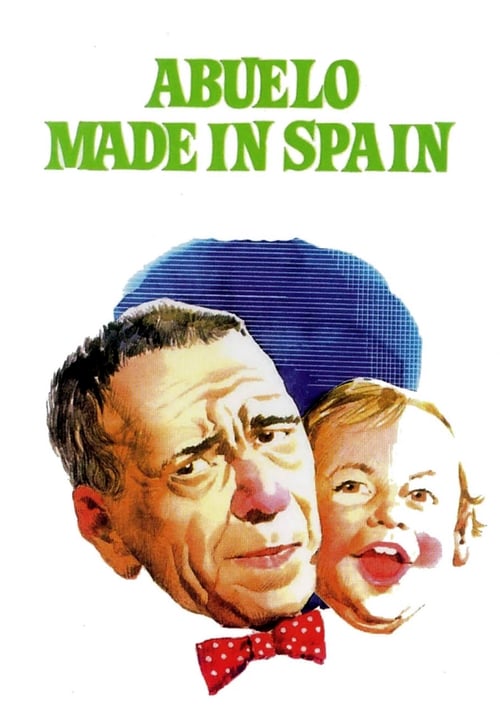
Old Man Made in Spain
1969
No user ratings available yet
Representation score: 1.3 out of 10
Representation Score
Limited
1967
Director
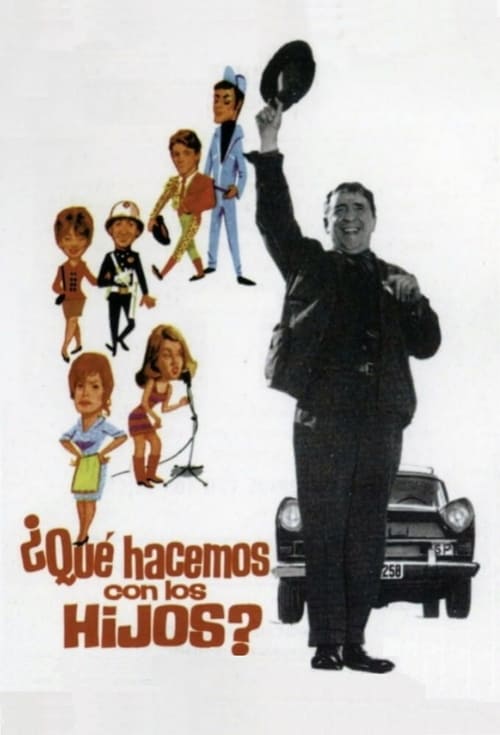
Pedro Lazaga Sabater
Runtime
95 minutes
Average Rating
No ratings yetNew Showbiz Analysis
This 1967 comedy highlights the friction between rigid patriarchal expectations and a changing younger generation. The story revolves around a father's disappointment when his children don't conform to his social standards. While the film touches on social changes, it does so through a lens of domestic conflict rather than progressive celebration. The tension is rooted in the breakdown of traditional structures rather than challenging them. Ultimately, the film serves as a study of mid-century social transition, emphasizing the conflict inherent in a society moving away from strict, traditionalist hierarchies.
Category Breakdown
The film uses a 'hidden truth' idea where children's behaviors that don't fit social norms create problems at home. There is no clear celebration of LGBTQ+ identities.
The movie shows a traditional hierarchy through Antonio and Paloma, who wants to be a housewife. Tension comes from women like Luisa joining the workforce.
The film portrays a uniform Spanish community. There is no indication of racial mixing or diverse ethnic casting.
The story focuses on the nuclear family and parental authority. Conflict arises from the perceived breakdown of traditional morality and family unity.
There are no visible or invisible disabilities that play a central role in the characters' stories or the plot development.
Present on Screen
Limited or Absent
Official Synopsis
The driver Antonio, boasts of his sons: John, who shares his work as a taxi driver, Luisa, ladies hairdresser, Antonito, studying to be a lawyer, and Paloma, to be a housewife. But Antonio does not know that their children are not exactly as he thinks. The day Antonio finds out, confronts his wife and children and suffers a big disappointment. Since then no one in the family speaks to Antonio, and he believes that it is best to let them see for themselves that they made a mistake, but this does not result, since each will see their problems increased.
1969
1985
1966
1983
1972
1975

1973
1976
No reviews yet. Be the first to share your thoughts on this movie!
Use the rating form above to leave a star rating and optional review.