Waterfront
1944
No user ratings available yet
Representation score: 1.8 out of 10
Representation Score
Limited
1972
PGDirector
Lee H. Katzin
Runtime
93 minutes
Average Rating
No ratings yetNew Showbiz Analysis
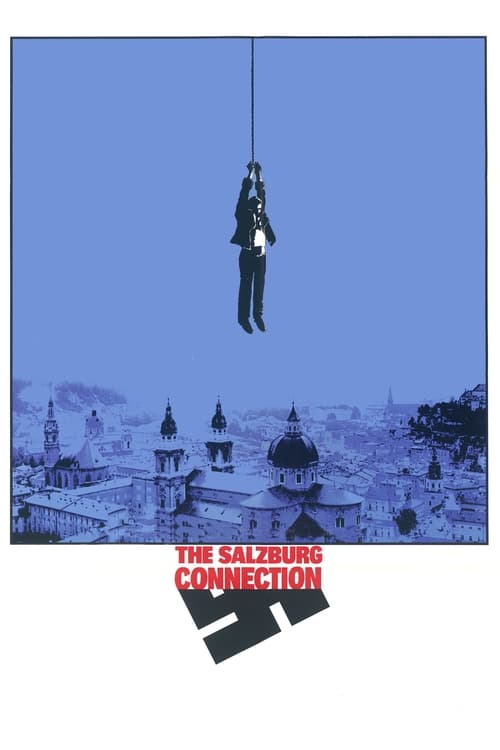
The Salzburg Connection is a period-specific thriller that emphasizes classical storytelling and clear moral distinctions. It relies on established clichés of heroism and institutional authority to create suspense. While the film addresses the historical persecution of Jewish people, it does so through a lens of victimhood rather than modern perspectives on diversity. The narrative structure reinforces the social norms of its time, especially concerning gender and religious roles. Ultimately, the film serves as a traditional drama that emphasizes moral clarity and historical conflict over challenging social or gendered norms.
Category Breakdown
The film does not include any LGBTQ+ characters or explore non-straight relationships. It follows a traditional storyline where queer identities are completely absent.
Men play the primary roles in the story, with the protagonist and a local priest taking charge. Women mostly have supporting roles or need protection.
The story focuses on the experiences of Jewish people during the Holocaust. Although the cast is predominantly white, it highlights the struggles of a underrepresented ethnic group.
The film presents a clear moral divide, using the Catholic Church as a source of moral guidance. It criticizes totalitarianism through the lens of traditional religious authority.
The film does not depict any physical, sensory, or neurodivergent disabilities. Characters are defined by their ability to act physically and politically.
Present on Screen
Limited or Absent
Official Synopsis
An American lawyer on vacation in Europe is asked by a book publisher to stop by the Austrian town of Salzburg to see a photographer who's taking pictures for a book on picturesque Austrian lakes. Upon his arrival he senses that something is wrong when the photographer seems to have vanished, leaving a near panic-stricken wife and a sinister, secretive brother. Before he knows it, the lawyer finds himself mixed up with spies, assassins, and the hunt for a list made up by the Nazis during World War II of people who collaborated with them.
1944

1973

1979

1946
1985

1980
1968
1943
No reviews yet. Be the first to share your thoughts on this movie!
Use the rating form above to leave a star rating and optional review.