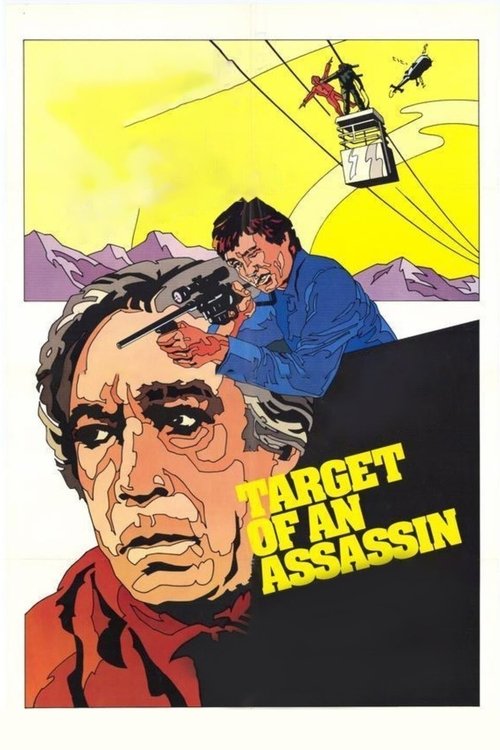
Target of an Assassin
1977
No user ratings available yet
Representation score: 3.0 out of 10

Representation Score
Limited
1972
PGDirector
Peter Collinson
Runtime
111 minutes
Average Rating
No ratings yetNew Showbiz Analysis
Innocent Bystanders is a typical Cold War-era espionage thriller that emphasizes genre conventions over social issues. The story revolves around a washed-up agent seeking redemption, reinforcing traditional intelligence hierarchies and individualistic meritocracy. The film reflects the era's focus on geopolitical binaries and masculine competency. It centers on the professional journey of a male protagonist without delving into diverse identity-driven narratives. Ultimately, the work adheres to the established cinematic expectations of 1972, favoring espionage tension over nuanced explorations of race, gender, or sexual orientation.
Category Breakdown
The film does not include any characters with LGBTQ+ identities, sticking to the assumption that everyone is straight.
The story focuses on a male protagonist seeking professional redemption, emphasizing traditional masculine roles.
The plot uses a Russian scientist to represent ideological conflict, without exploring nuanced ethnic or racial backgrounds.
The narrative operates within Cold War geopolitical binaries, reflecting the established Western espionage framework without challenging it.
There is no information about characters with physical or neurodivergent disabilities.
Present on Screen
Limited or Absent
Official Synopsis
Washed-up agent John Craig is given the task of proving his worth by tracking down a Russian scientist on the run. Cross and double-cross is the name of the game.
1977

1973
1967
1965
1979

1977
1967

1987
No reviews yet. Be the first to share your thoughts on this movie!
Use the rating form above to leave a star rating and optional review.