
The Sea Wolves
1980
No user ratings available yet
Representation score: 0.3 out of 10
Representation Score
Minimal
1951
NRDirector
Anatole Litvak
Runtime
119 minutes
Average Rating
No ratings yetNew Showbiz Analysis
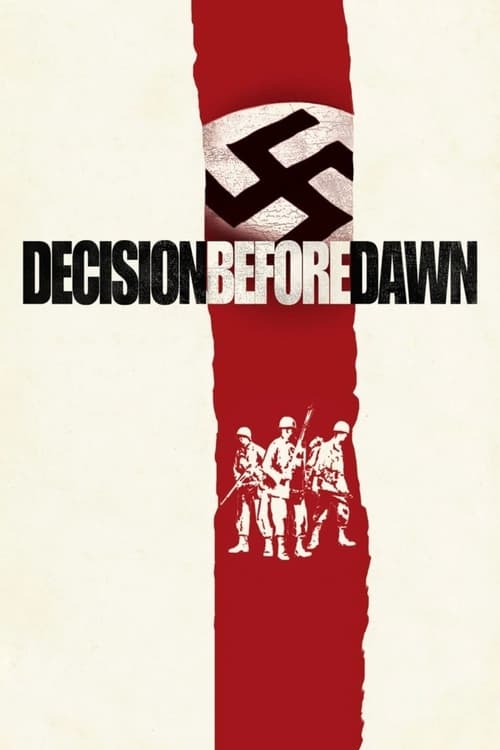
Decision Before Dawn is a psychological war drama that delves into the tension between personal conscience and military hierarchy. While it provides a nuanced look at the ethical complexities of combat, it does so within a limited social framework. The film adheres closely to traditional mid-century cinematic structures, functioning more as a character study of wartime ethics than a work that addresses diverse social identities. Ultimately, its exploration of moral ambiguity is overshadowed by its lack of representation across gender, race, and identity, reflecting the homogeneous demographics of its era.
Category Breakdown
The film does not include any visible LGBTQ+ characters or narratives. It centers around the masculine camaraderie of a military unit following 1950s standards.
The story focuses almost exclusively on male soldiers and their internal struggles. Women play minor roles and have little influence on the plot, reinforcing traditional male leadership.
The cast is primarily white, reflecting the historical composition of US infantry units and 1950s cinema. There is no significant representation of characters from diverse racial backgrounds.
The film examines moral relativism and situational ethics through the lens of wartime decisions. It questions 'clean' warfare while staying within a Western military context.
There are no prominent depictions of physical or neurodivergent disabilities. Characters are assessed based on their utility and psychological strength during combat missions.
Present on Screen
Limited or Absent
Official Synopsis
WWII is entering its last phase: Germany is in ruins, but does not yield. The US army lacks crucial knowledge about the German units operating on the opposite side of the Rhine, and decides to send two German prisoners to gather information. The scheme is risky: the Gestapo retains a terribly efficient network to identify and capture spies and deserters. Moreover, it is not clear that "Tiger", who does not mind any dirty work as long as the price is right, and war-weary "Happy", who might be easily betrayed by his feelings, are dependable agents. After Tiger and another American agent are successfully infiltrated, Happy is parachuted in Bavaria. His duty: find out the whereabouts of a powerful German armored unit moving towards the western front.
1980

1952
1979

1941
1961
1943
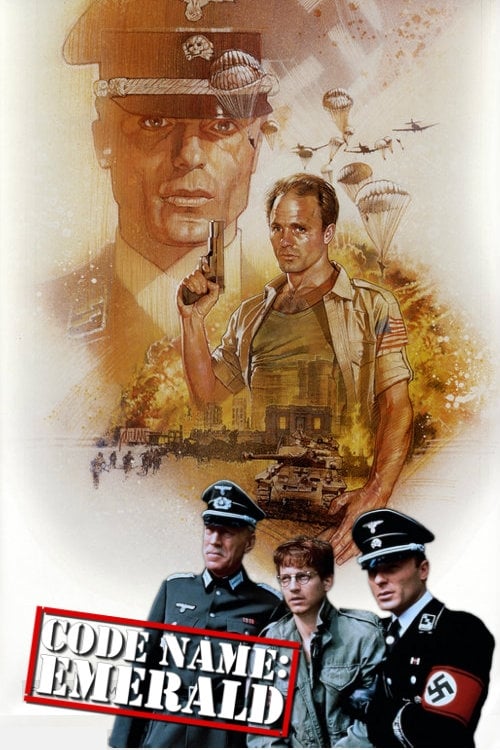
1985

1969
No reviews yet. Be the first to share your thoughts on this movie!
Use the rating form above to leave a star rating and optional review.