
The Art of War II: Betrayal
2008
No user ratings available yet
Diversity score: 3.2 out of 10
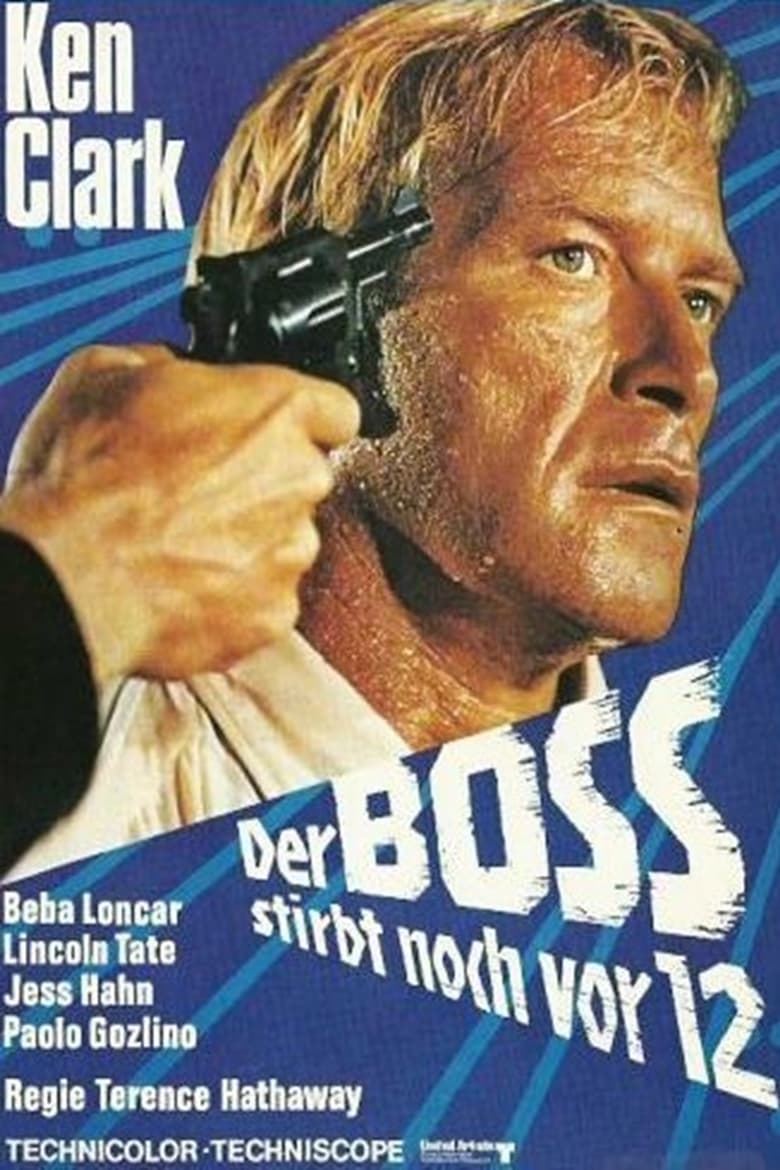
1968
Director
Sergio Grieco
Runtime
100 minutes
Average Rating
No ratings yetSynopsis
Dick Worth (Ken Clark) is an American racing driver in Stockholm to put on an exhibition that his boss Bennet (Jess Hahn) hopes will result in orders for cars, and instead gets drawn into CIA business when he is mistaken for a spy and takes on the job of recovering the Fuller Report, CIA information about an assassination plot.
Overall Score
Limited
Category Breakdown
LGBTQ+ Representation
The film lacks LGBTQ+ characters or narratives that challenge heteronormativity. It relies on the standard genre convention of heterosexual romantic tension as a secondary plot driver.
Gender Representation
The story centers on a male protagonist who drives the plot through physical agency. Female characters appear to serve primarily as foils or romantic interests within a male-dominated sphere.
Racial & Ethnic Diversity
The cast follows a standard Western ensemble typical of 1960s international co-productions. There is no evidence of a non-white majority cast or race-bent casting to disrupt historical norms.
Religious & Cultural Diversity
The narrative operates within Cold War-era geopolitics and institutional CIA affairs. It engages with established power structures rather than offering anti-Western or anti-capitalist critiques.
Disability Representation
There is no mention of characters with visible or invisible disabilities. No information is available to assess representation in this category.
Strengths
Areas for Improvement
AI Analysis
Fuller Report, Base Stockholm is a traditional Eurospy thriller that adheres strictly to the cinematic hierarchies of 1968. The film prioritizes masculine agency and Western-centric geopolitical storytelling, offering very little disruption to social or identity-based norms. The narrative is built around a male protagonist navigating CIA business and international espionage. This focus reinforces mid-century action templates where agency is tied to physical competence and male-dominated institutional roles. Ultimately, the film functions as a commercial genre piece. It utilizes a homogeneous Western ensemble and follows the established tropes of the era rather than attempting social subversion.
2008

1972
1966
1967
1974
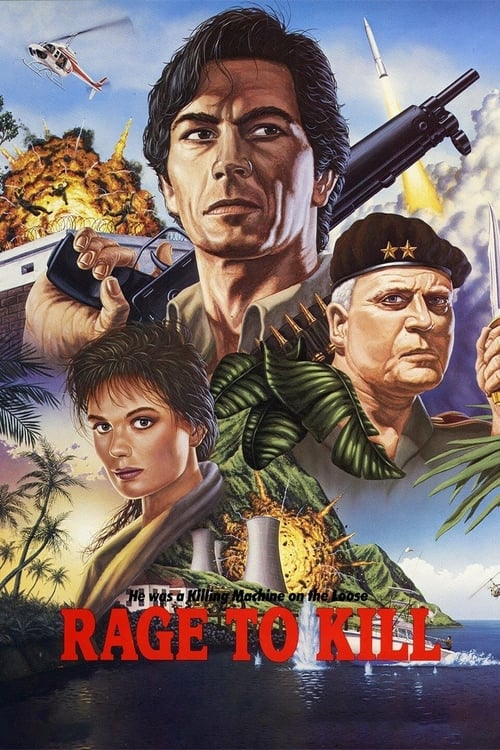
1988
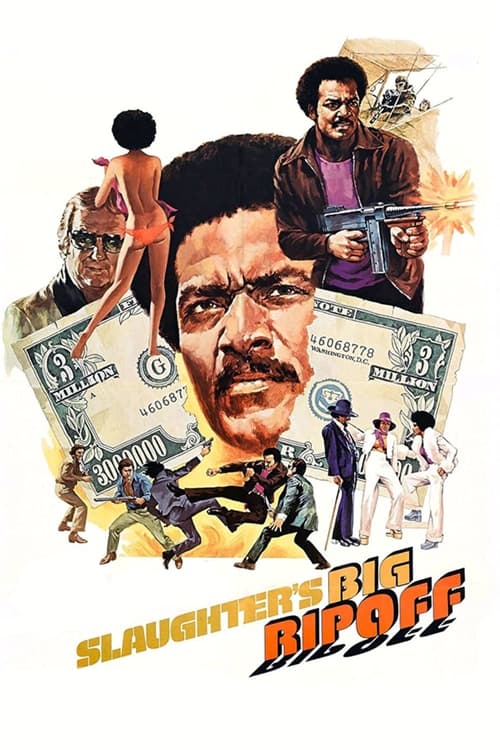
1973
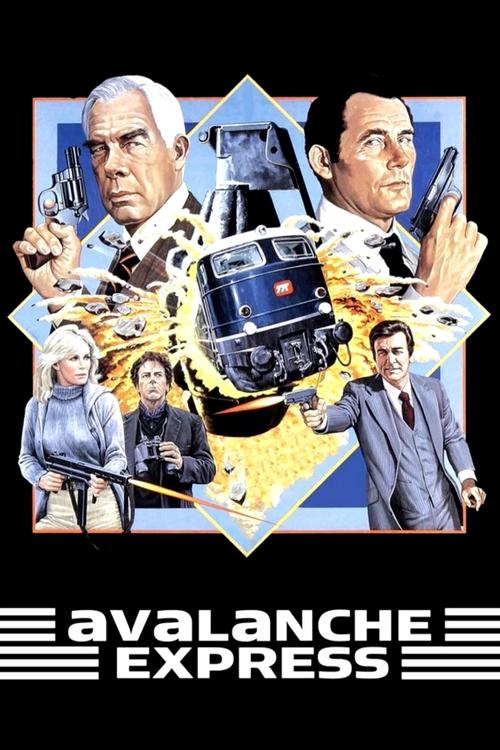
1979
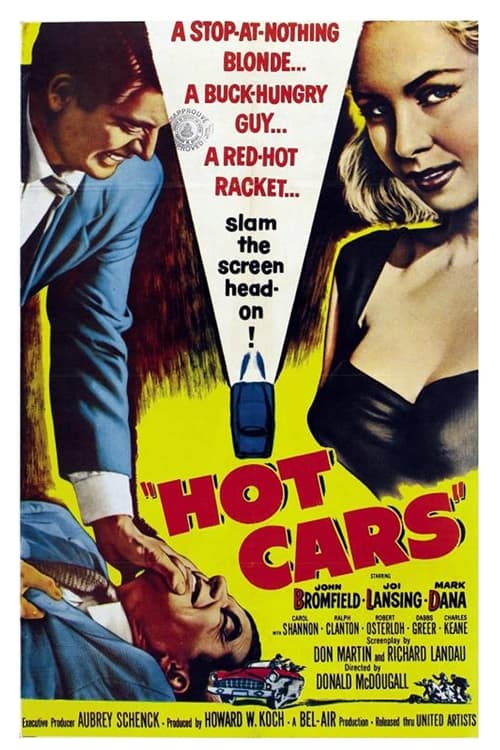
1956

1998
1977
1972
No reviews yet. Be the first to share your thoughts on this movie!
Use the rating form above to leave a star rating and optional review.