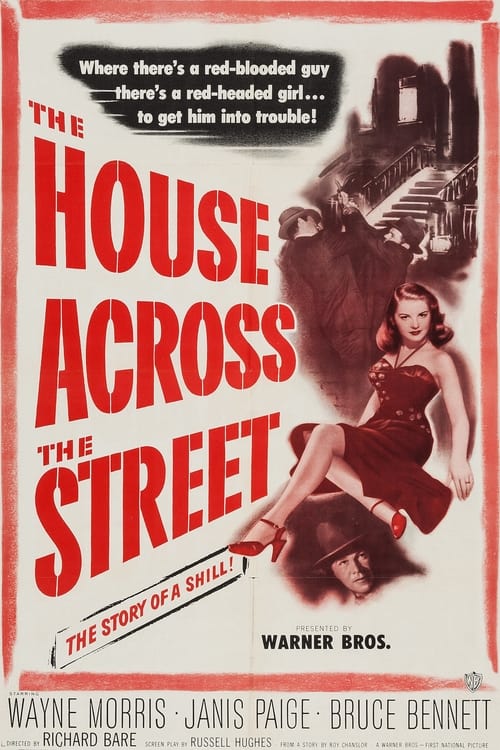
The House Across the Street
1949
No user ratings available yet
Representation score: 1.7 out of 10
No Poster Available
Representation Score
Minimal
1939
ApprovedDirector
Frank McDonald
Runtime
65 minutes
Average Rating
No ratings yetNew Showbiz Analysis
This 1939 crime-comedy follows a standard studio-era formula, focusing on a male-led investigation into a hermit's death. The narrative structure relies on traditional genre clichés common to the period. The film centers on a homogeneous group of men and lacks diverse representation. It reflects the era's social hierarchies and conventional storytelling norms without attempting to challenge them. Overall, the work provides a snapshot of late-1930s Hollywood, prioritizing Western-centric perspectives and heterosexual relationships.
Category Breakdown
The film does not include any characters with non-traditional gender identities or sexual orientations. It seems to follow the strict heterosexual norms typical of 1930s cinema.
The story revolves around a group of male friends and an editor. Women do not appear to have prominent roles or ability to act in the plot.
The production likely reflects the predominantly white casting standards of the 1939 studio system. No non-white or non-Anglo-Saxon characters are mentioned.
The story follows traditional Western narrative structures that reinforce established social norms without challenging them.
There is no mention of characters with visible or invisible disabilities. The film does not include any neurodivergent characters or disability-related themes.
Present on Screen
Limited or Absent
Official Synopsis
In this crime drama, the owner and chief editor of a newspaper gets together with two college pals and begins looking into the strange death of an old hermit who lived on the fringe of town.
1949
1934
1938
1941
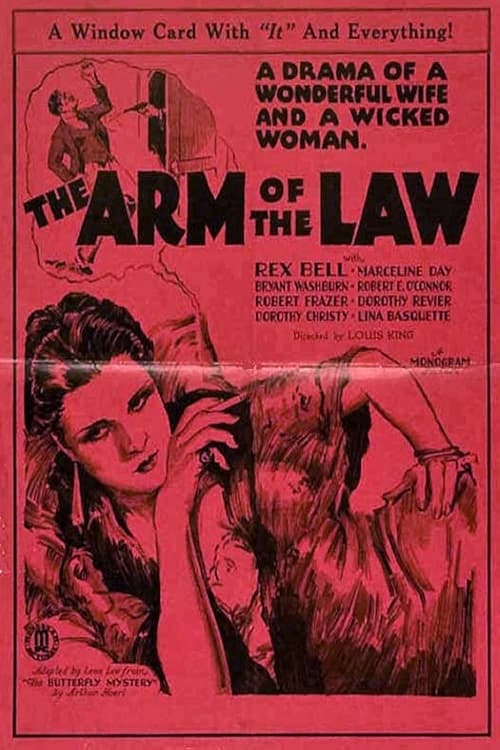
1932
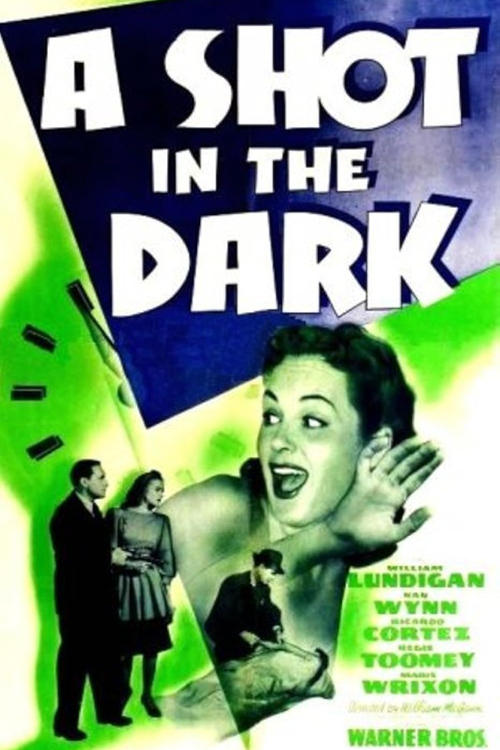
1941
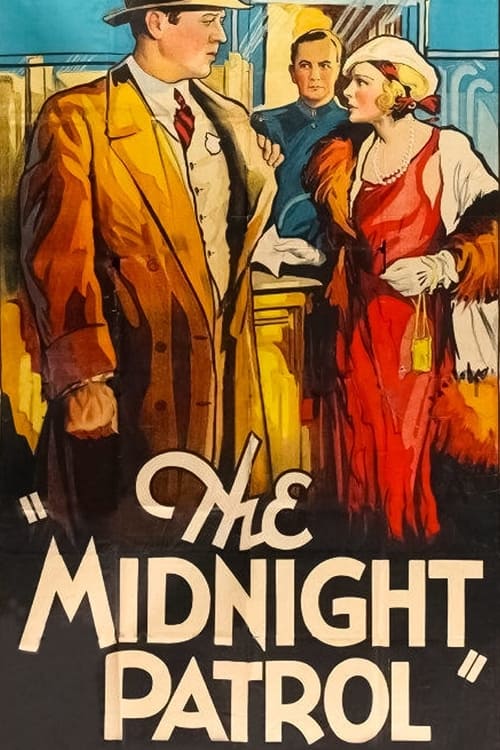
1932
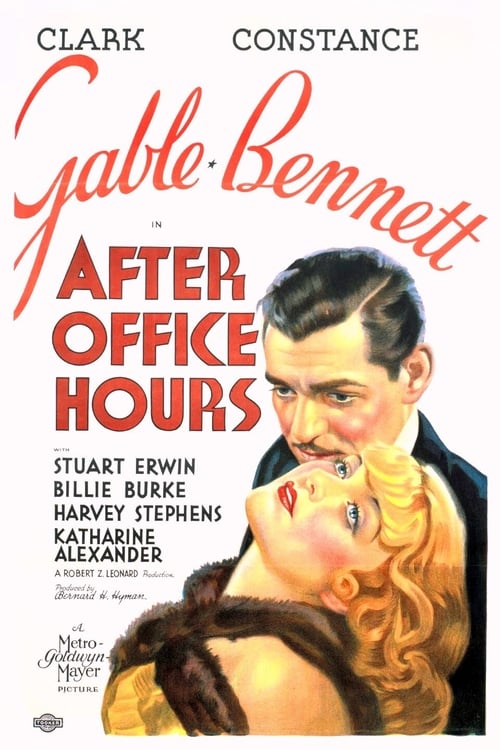
1935
No reviews yet. Be the first to share your thoughts on this movie!
Use the rating form above to leave a star rating and optional review.