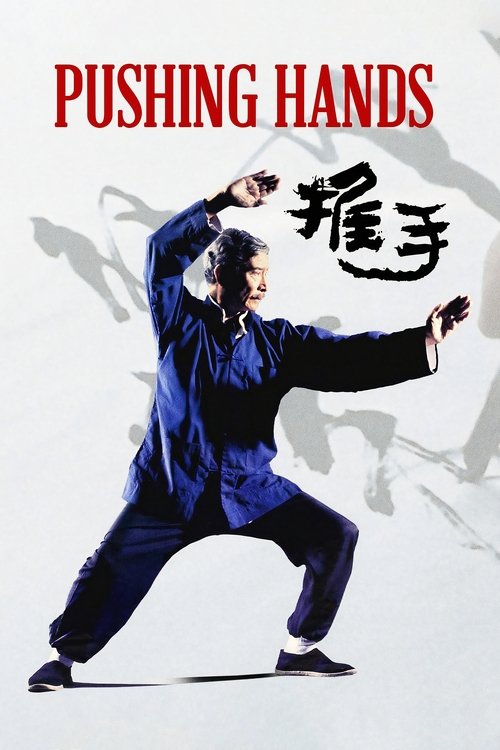
Pushing Hands
1991
No user ratings available yet
Diversity score: 6.3 out of 10
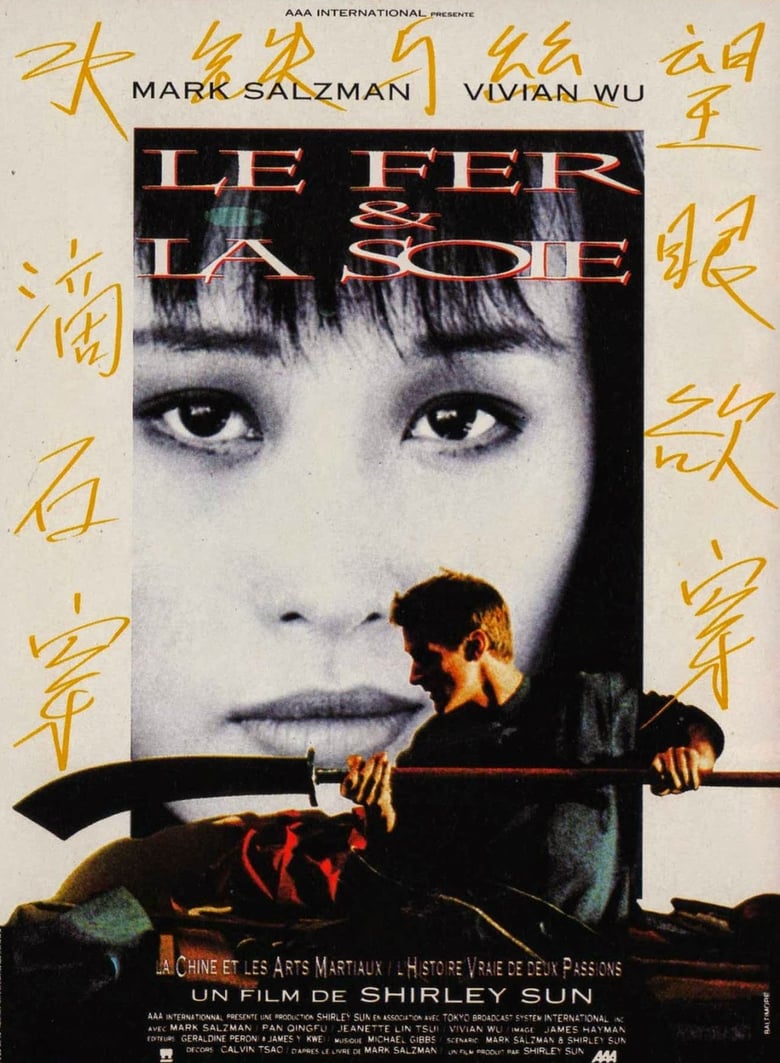
1991
Director
Shirley Sun
Runtime
92 minutes
Average Rating
No ratings yetSynopsis
Iron and Silk is a 1990 movie based on the eponymous book by American writer Mark Salzman. It details his journey to China after college to study Chinese wu shu, better known in the west as kung fu, and to teach English. Though not trained as an actor, Salzman starred as himself, as did Pan Qingfu, who claimed no one else could portray him on film. Salzman's experiences occurred in Changsha, Hunan, though the film was shot in Hangzhou, Zhejiang. (Wikipedia)
Overall Score
Fair
Category Breakdown
LGBTQ+ Representation
The film focuses on heteronormative romantic tensions and traditional courtship. There is no evidence of non-cisnormative identities or same-sex intimacy within the plot.
Gender Representation
A female protagonist navigates the friction between Western autonomy and patriarchal structures. She possesses agency in her social and romantic choices, though the period setting limits total subversion.
Racial & Ethnic Diversity
The film excels with a predominantly Chinese cast and an authentic ethnic landscape. It avoids a Western-centric gaze by treating local Chinese identity as a primary plot driver.
Religious & Cultural Diversity
The narrative engages with post-colonial tensions and cultural friction. It avoids promoting Western morality, instead highlighting the complexities and misunderstandings inherent in the colonial encounter.
Disability Representation
There is no significant depiction of physical or neurodivergent disabilities. The story focuses on cultural and romantic interpersonal dynamics.
Strengths
Areas for Improvement
AI Analysis
Iron and Silk stands out for its commitment to ethnic authenticity and its refusal to center Western perspectives as the universal norm. By utilizing a predominantly Chinese cast and focusing on the nuances of life in treaty-port Shanghai, the film avoids common period drama tropes. The narrative effectively deconstructs colonial-era power dynamics, framing the Western presence through cultural friction rather than inherent superiority. This approach provides a sophisticated look at the intersection of identity and tradition. However, the film's impact is limited by its adherence to the social mores of the 1920s. The absence of LGBTQ+ representation and disability-focused narratives keeps the scope centered on specific cultural and romantic tensions.
1991
2025
1996
2022
1989

2020
1992
2017
1986
1991

2003
2001
No reviews yet. Be the first to share your thoughts on this movie!
Use the rating form above to leave a star rating and optional review.