
Seoul Searching
2015
No user ratings available yet
Diversity score: 6.3 out of 10
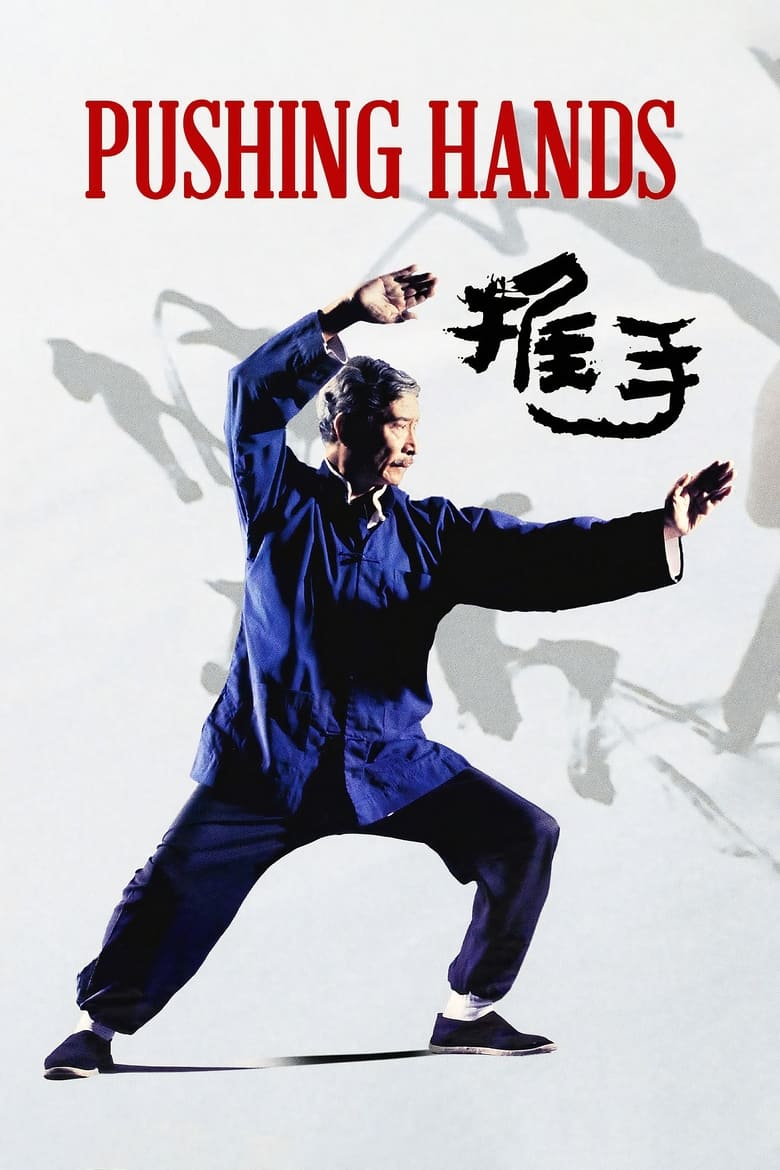
1991
PG-13Director
Ang Lee
Runtime
105 minutes
Average Rating
No ratings yetSynopsis
Mr. Chu is an elderly widower who teaches tai chi chuan in Beijing. He moves to America to live with his son's family, but finds the cultural adjustment difficult. Since his daughter-in-law is a white woman who does not speak Chinese, Mr. Chu's son, Alex, must mediate.
Overall Score
Good
Category Breakdown
LGBTQ+ Representation
The film focuses on heteronormative family structures and generational tensions. There is no discernible presence of non-cisnormative identities or critiques of heteronormativity.
Gender Representation
The narrative explores the friction between traditional patriarchal authority and modernized social roles. While the protagonist embodies a traditional masculine archetype, the daughter-in-law's role is largely defined by her position within the family structure.
Racial & Ethnic Diversity
The film excels in portraying the Chinese immigrant experience through the internal fractures of the diaspora. It avoids monolithic representation by contrasting first-generation traditions with second-generation assimilation.
Religious & Cultural Diversity
The story critiques Western consumerism and the spiritual erosion caused by capitalist assimilation. It weighs Eastern philosophical discipline against Western materialist pursuits, framing the American Dream as a potential source of cultural loss.
Disability Representation
There is no significant evidence of characters utilizing physical or neurodivergent disabilities as central plot devices or identity markers.
Strengths
Areas for Improvement
AI Analysis
Pushing Hands is a sophisticated study of the diaspora, focusing on the systemic struggle for identity amidst Western hegemony. It moves beyond simple inclusion to explore the profound friction between traditional heritage and modern assimilation. The film's strength lies in its nuanced portrayal of the immigrant experience, specifically the tension between Mr. Chu's traditionalism and Alex's Westernized values. This creates a deep semiotic study of post-colonial displacement. However, the film lacks representation for LGBTQ+ identities and disability. While it masterfully deconstructs cultural hegemony, these specific demographic dimensions are absent from the narrative.
2015

1991
2020

1992
2019
1996

1999

2022

1995
1992

1960
1986
No reviews yet. Be the first to share your thoughts on this movie!
Use the rating form above to leave a star rating and optional review.