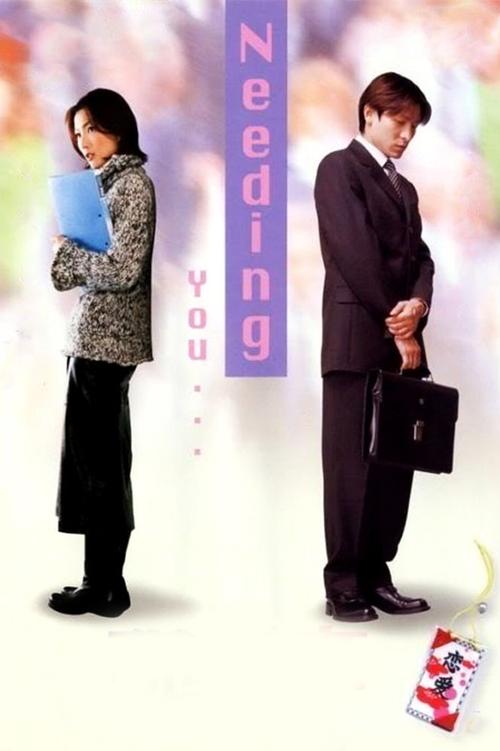
Needing You...
2000
No user ratings available yet
Representation score: 6.2 out of 10
Representation Score
Fair
2001
Director
Johnnie To, Wai Ka-fai
Runtime
94 minutes
Average Rating
No ratings yetNew Showbiz Analysis
The film functions as a sophisticated romantic dramedy that prioritizes stylistic postmodernism over social activism. Its strength lies in challenging traditional gender roles by granting the female lead a significant role in driving the story and economic power, which defies conventional feminine archetypes. While the production offers a rich sensory exploration of pleasure and social status, it lacks significant representation for LGBTQ+ identities. The narrative remains centered on a heterosexual romantic pursuit. Ultimately, the work relies on character-driven desire rather than systemic critiques. It presents a period-accurate view of the elite that avoids overt political or religious messaging.
Category Breakdown
The story focuses on a romantic relationship between a female socialite and a male gourmet. There are no queer narratives or non-cisgender identities in the plot.
The female protagonist challenges traditional passivity through her active role and economic power. She navigates romantic interests on her own terms, reflecting her desires and consumption habits.
The film showcases a predominantly Chinese cast set in 1930s Shanghai. It presents the era's elite without altering the actors' ethnic backgrounds.
The narrative explores the intersection of consumerism and romantic desire. It avoids singular religious morality, focusing instead on the complexity of human emotions.
Themes of body image and weight are explored through physical self-perception. However, the film does not center neurodivergence or visible disabilities as sources of ability to act.
Present on Screen
Limited or Absent
Official Synopsis
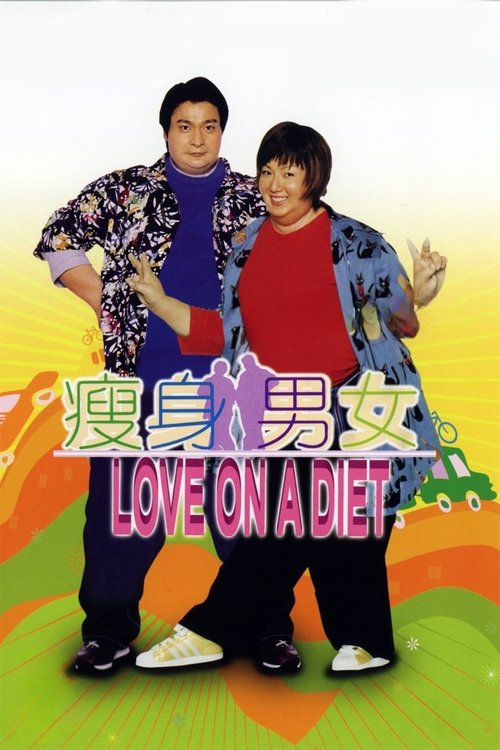
A depressed, obese woman tries to lose weight in order to win back her ex-boyfriend with the help of a fellow Hong Konger whom she met in Japan.
2000

2008

2001

2018

1990

2001

1994

2016
No reviews yet. Be the first to share your thoughts on this movie!
Use the rating form above to leave a star rating and optional review.