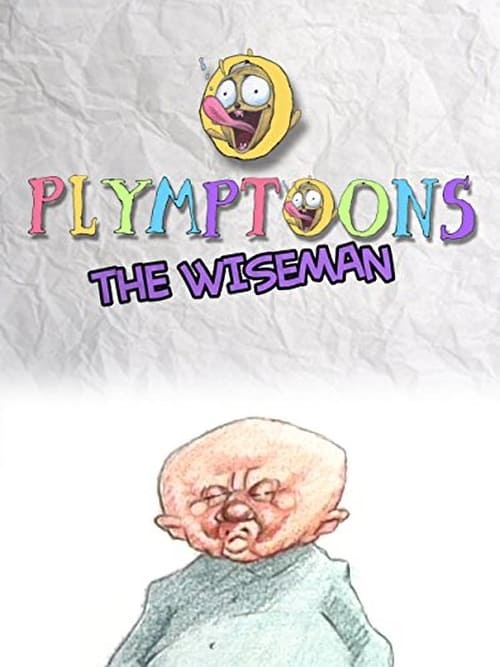
The Wiseman
1991
No user ratings available yet
Representation score: 6.7 out of 10
Representation Score
Good
1991
Director
Bill Plympton
Runtime
6 minutes
Average Rating
No ratings yetNew Showbiz Analysis
Bill Plympton’s animation prioritizes avant-garde visual storytelling and the absurdity of the human condition over mainstream demographic representation. The film challenges physical and social norms through its metamorphic style but lacks verifiable, multi-layered character depth. While the film disrupts conventional cinematic expectations, it provides little concrete evidence of diverse racial or identity-based representation.
Category Breakdown
The film includes symbolic representations of intimacy that may challenge traditional romantic archetypes, but does not clearly define LGBTQ+ identities.
Gender roles are explored through an absurd lens that undermines traditional social expectations of masculinity and femininity.
The highly stylized, metamorphic animation often causes characters to transcend specific racial signifiers, making it difficult to verify a diverse, non-Anglo-Saxon cast.
The work deconstructs polished social interactions and chaotic, individualistic realities, eschewing traditional Western family structures.
Characters with distorted, fluid, or non-normative physicalities disrupt standard expectations of able-bodied stability and neurotypical social behavior.
Present on Screen
Limited or Absent
Official Synopsis
It's the little things that really hurt.
1991
2003
1988
2009
1990
2012
1995

2014
No reviews yet. Be the first to share your thoughts on this movie!
Use the rating form above to leave a star rating and optional review.