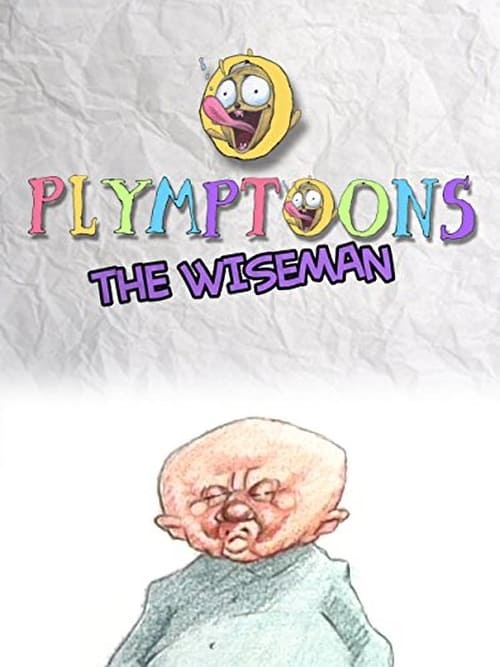
The Wiseman
1991
No user ratings available yet
Representation score: 6.7 out of 10

Representation Score
Good
2014
TV-PGDirector
Bill Plympton
Runtime
4 minutes
Average Rating
No ratings yetNew Showbiz Analysis
Bill Plympton’s surrealist approach creates a world that avoids traditional social hierarchies by removing realistic human markers. The film's strength lies in its ability to neutralize gendered power dynamics and religious dogma through abstraction. However, this abstraction results in a lack of specific, characters who reflect more than one aspect of diversity. The dreamlike state of the characters prevents the film from taking advantage of opportunities for intentional racial, cultural, or disability-focused storytelling. Ultimately, the work functions as a postmodernist exercise. It disrupts conventional narrative expectations but lacks the explicit character development necessary for a higher diversity rating.
Category Breakdown
The hand-drawn, stylized artwork creates a sense of gender ambiguity. Character designs avoid traditional heterosexual expectations, disrupting usual visual cues.
Characters are highly abstracted or non-human, which avoids reinforcing typical gender roles. The protagonist's role focuses on existential movement rather than social or domestic duties.
Surrealist animation makes specific racial or ethnic identities less important, emphasizing movement and dreamlike visuals. This avoids stereotypes but lacks intentional racial or cultural representation.
The film prioritizes a secular, existentialist outlook over organized religion or social structures. It presents a world detached from Western institutional norms like capitalism or patriotism.
The focus on navigating a challenging path suggests a sensory or motor experience. However, there is no explicit depiction of neurodivergence or physical disability as a central identity.
Present on Screen
Limited or Absent
Official Synopsis
A surreal film by shorts legend, animator Bill Plympton, about a quest to find a mysterious monster.
1991
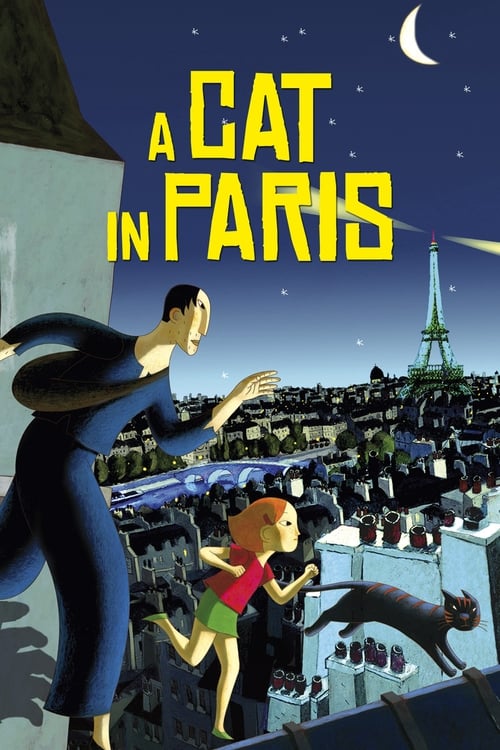
2010
2012
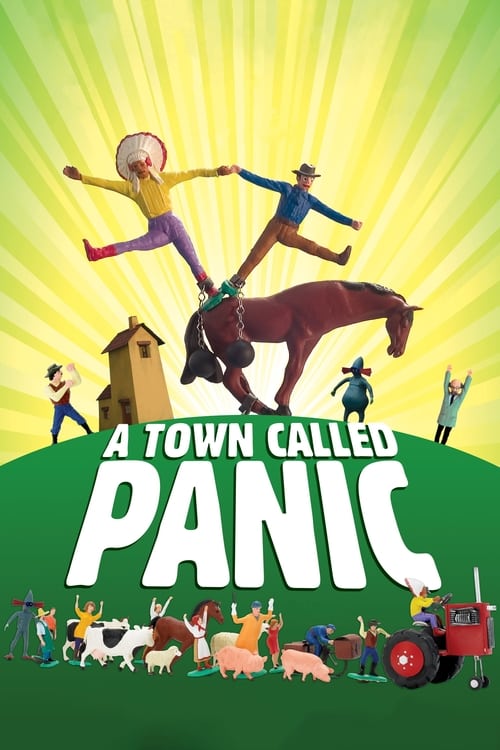
2009
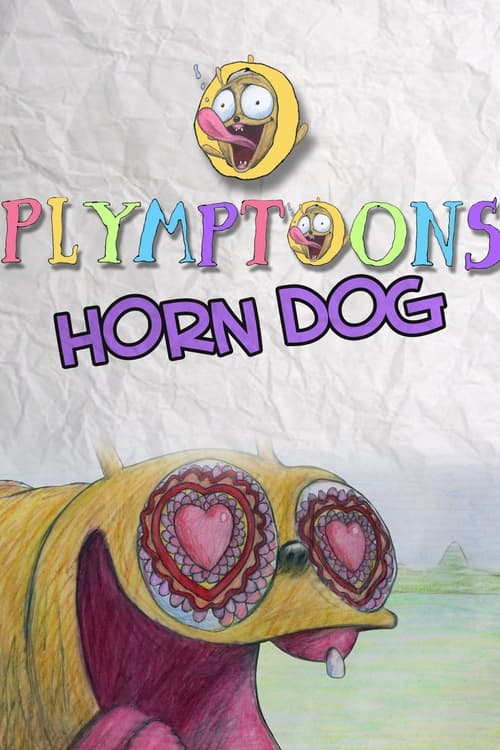
2009

2012
1991
2012
No reviews yet. Be the first to share your thoughts on this movie!
Use the rating form above to leave a star rating and optional review.