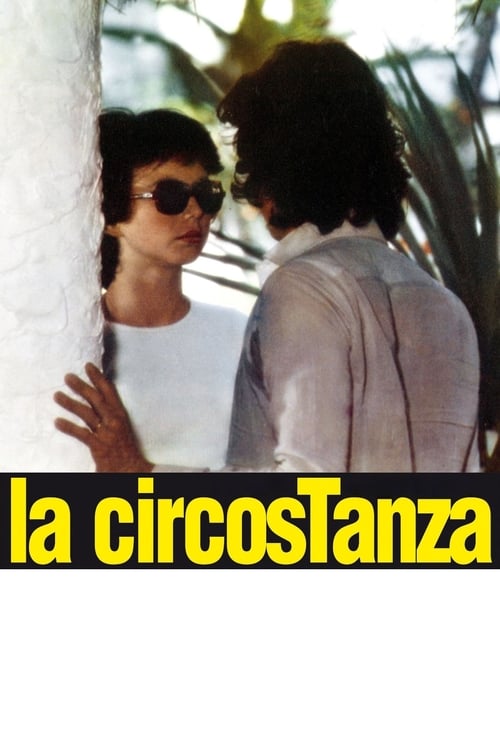
The Circumstance
1974
No user ratings available yet
Representation score: 5.6 out of 10
Representation Score
Limited
1968
Director
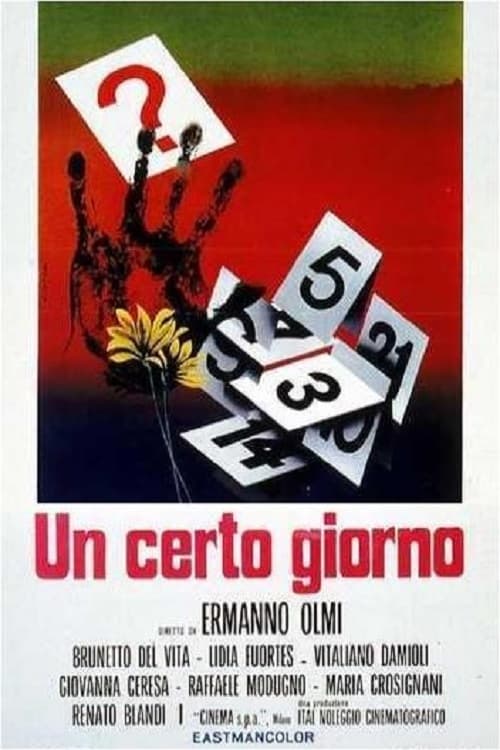
Ermanno Olmi
Runtime
105 minutes
Average Rating
No ratings yetNew Showbiz Analysis
One Fine Day is a realist exploration of social stratification rather than a diverse ensemble piece. While it lacks representation regarding race, LGBTQ+ identity, and disability, it excels in its nuanced critique of socioeconomic hierarchies. The film's strength lies in its refusal to rely on romantic idealism. By focusing on the friction between a consumerist executive and a working-class woman, it uses a realist approach to examine how class structures impact human relationships. Ultimately, the film is a focused look at class and gendered social barriers, prioritizing a critique of modernizing Western institutions over broad characters who reflect more than one aspect of diversity.
Category Breakdown
The film does not include any LGBTQ+ characters or stories. The plot revolves around a heterosexual relationship between the main characters.
The film avoids idealized femininity and traditional romantic clichés. It delves into the raw reality of gender interactions and the tension between different social contexts.
Set in 1960s Milan, the cast mirrors the demographic uniformity of that time. The film focuses on studying domestic class structures rather than ethnic diversity.
The narrative provides a sophisticated critique of capitalist urban environments. It looks at how economic status and class hierarchies shape human connections and personal empowerment.
There are no central depictions of disability, neurodivergence, or chronic illness within the main character arcs.
Present on Screen
Limited or Absent
Official Synopsis
A self-assured, middle-aged advertising executive has his life upset by an unforeseen accident.
1974

1957
1962
1961

1963

1963

2007
1966
No reviews yet. Be the first to share your thoughts on this movie!
Use the rating form above to leave a star rating and optional review.