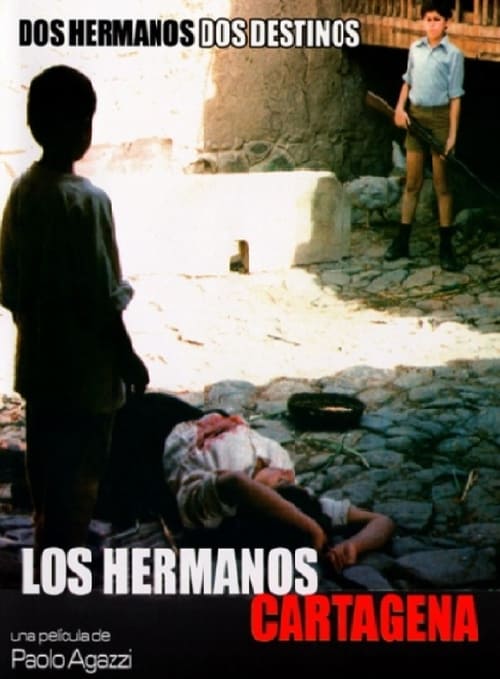
Los hermanos Cartagena
1984
No user ratings available yet
Representation score: 5.4 out of 10
Representation Score
Fair
1979
Director
Iván Feo, Antonio Llerandi
Runtime
102 minutes
Average Rating
No ratings yetNew Showbiz Analysis
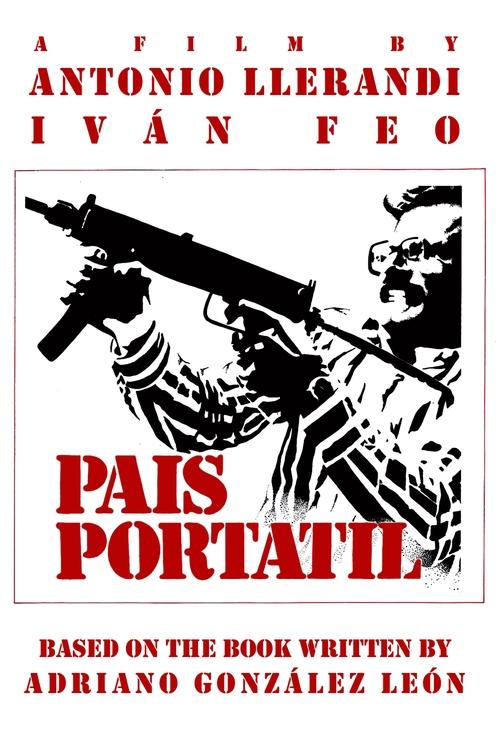
Portable Country serves as a potent piece of social realism, focusing on the collapse of traditional Venezuelan hierarchies. It excels at deconstructing class-based power dynamics and the decline of the landed aristocracy. However, the film’s scope is narrow regarding individual identity representation. It lacks engagement with LGBTQ+ narratives and provides little visibility for women's ability to drive the story or disability. Ultimately, the work is a study of systemic upheaval rather than a diverse ensemble piece, prioritizing political and class struggle over broad demographic representation.
Category Breakdown
The film does not include any explicit LGBTQ+ characters or narratives. It focuses mainly on the protagonist's socio-political struggles, which do not address non-straight or non-cisgender identities.
The story centers around a male protagonist who navigates patriarchal structures and political disillusionment. While the film challenges traditional masculinity through the protagonist's identity crisis, it does not explore women's ability to drive the story extensively.
The film engages with Venezuelan national identity and class-based tensions. It explores the friction between landowning elites and revolutionary movements, prioritizing regional complexities over Western-centric themes.
The film offers a strong critique of traditional institutions and landed aristocracy. It uses a non-linear structure to deconstruct historical certainties and questions established state authority.
There is no mention of characters navigating physical, sensory, or neurodivergent disabilities within the narrative.
Present on Screen
Limited or Absent
Official Synopsis
Portable Country is a classical Venezuelan film about the urban guerrilla. Based on the novel of the same name, written by Adriano González León, the film centers on Andrés Barazarte, a disillusioned man from a wealthy landowning family, who grapples with his personal and political identity in the midst of Venezuela's tumultuous social changes and engages in the guerrilla. He reflects on his life, his family's decline, and the broader struggle for power in a country torn between tradition and revolution.The story unfolds as Andrés is tasked with transporting a mysterious package. This journey becomes a metaphor for his search for meaning and a confrontation with his family’s, and his country's, violent past. His recollections weave together with present events, creating a complex tapestry of memory and history.
1984
1985
1994
1972
1963
1973
1971

1960
No reviews yet. Be the first to share your thoughts on this movie!
Use the rating form above to leave a star rating and optional review.