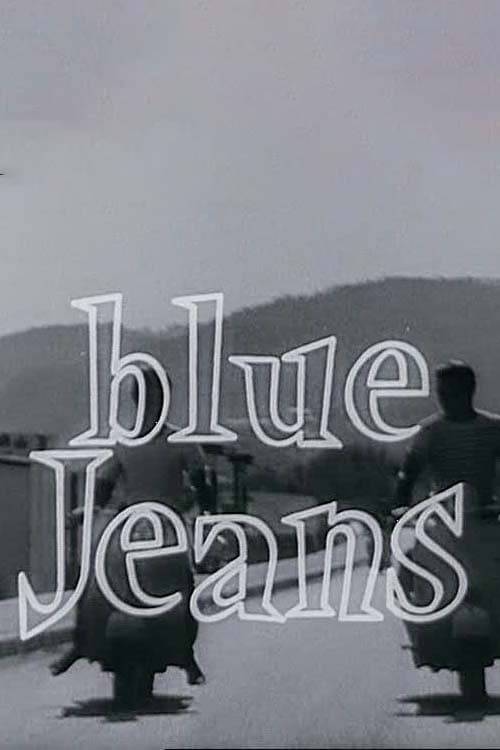
Blue Jeans
1958
No user ratings available yet
Diversity score: 4.7 out of 10
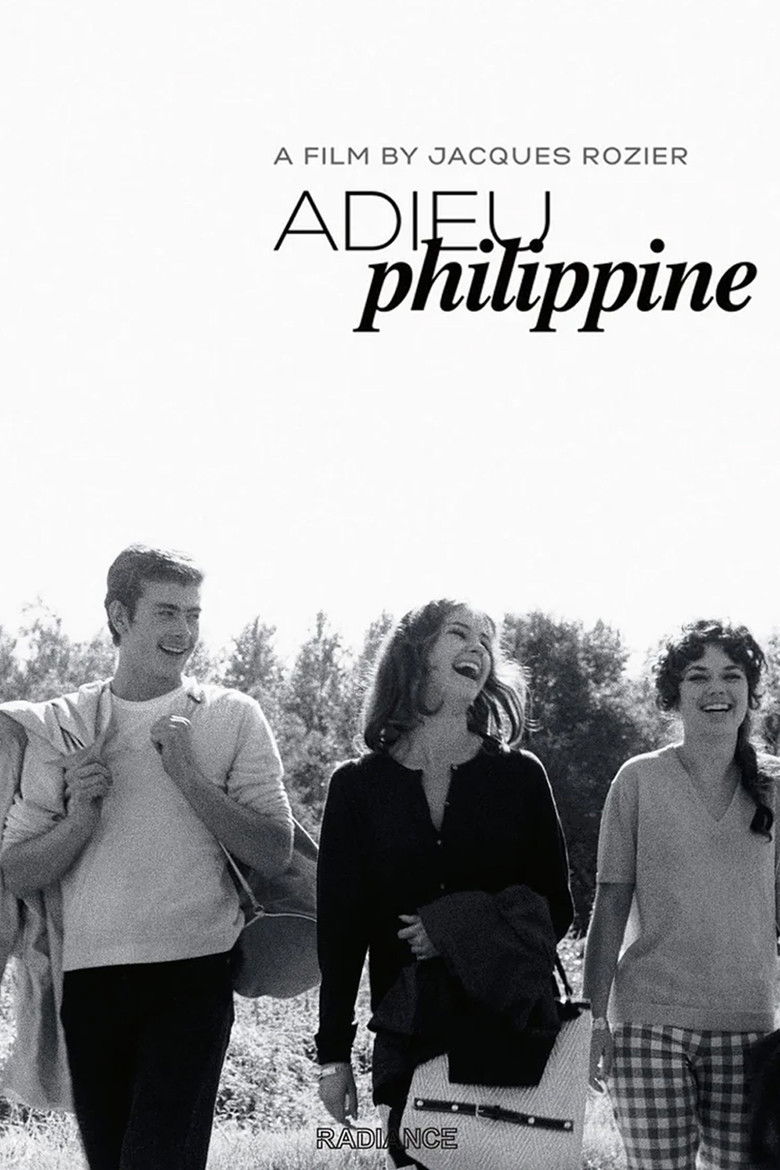
1962
Director
Jacques Rozier
Runtime
111 minutes
Average Rating
No ratings yetSynopsis
Michel is a young technician in the fledgling TV industry and is due for military service in two months at the time of the Algerian War. Juliette and Liliane are inseparable best friends, and aspiring actresses, who hang around outside the TV studio. Michel invites them in to watch, flirts with them both, and dates them separately and together. When Michel goes on a holiday to Corsica, just before he is drafted, the girls follow.
Overall Score
Limited
Category Breakdown
LGBTQ+ Representation
The film explores non-traditional dating patterns as Michel flirts with both Juliette and Liliane. However, these interactions lack a queer lens or explicit critique of heteronormativity.
Gender Representation
Juliette and Liliane exhibit agency and mobility by following Michel to Corsica. While the women navigate their own social spheres, the narrative remains centered on the male protagonist.
Racial & Ethnic Diversity
The cast is predominantly white and Eurocentric, reflecting the cinematic context of 1962. Despite the Algerian War backdrop, the film does not feature significant racial diversity.
Religious & Cultural Diversity
The fragmented structure prioritizes youthful spontaneity over traditional Western institutional values. It functions as a study of aimlessness rather than a critique of specific political or religious systems.
Disability Representation
There is no evidence of characters with visible or invisible disabilities serving as central figures or plot devices within the narrative.
Strengths
Areas for Improvement
AI Analysis
Jacques Rozier’s film is a masterclass in observational, episodic storytelling that prioritizes mood over rigid plot. It succeeds in deconstructing formal cinematic mechanics through its proto-postmodern, non-linear architecture. However, the film's social representation is largely a product of its era. It lacks intentional engagement with marginalized identities, remaining focused on a Eurocentric, heteronormative social circle. Ultimately, the work's progressive nature lies in its stylistic disruption rather than its social inclusivity. It captures a specific moment of youthful aimlessness without challenging the underlying demographic status quo.
1958

1966
1974
1963
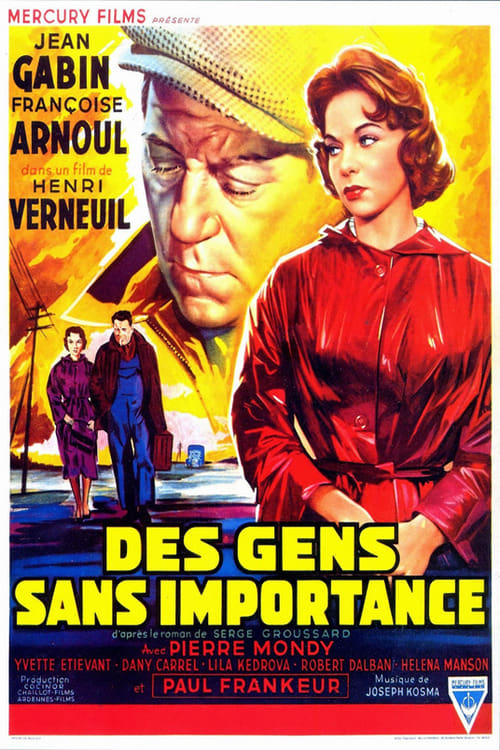
1956
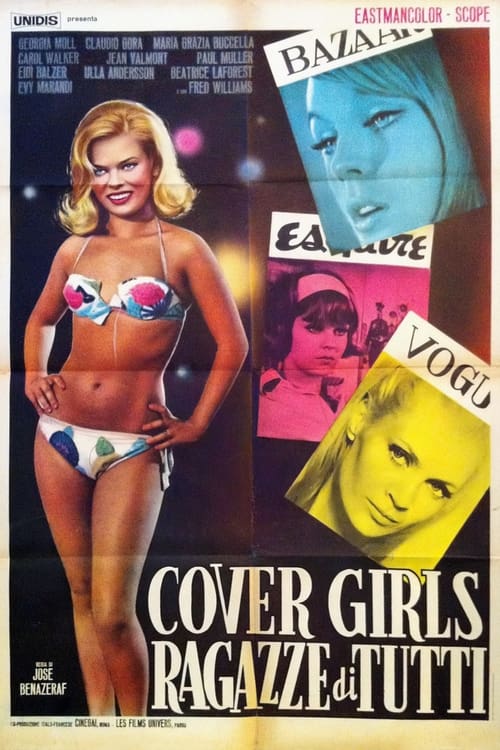
1964

1965

2010
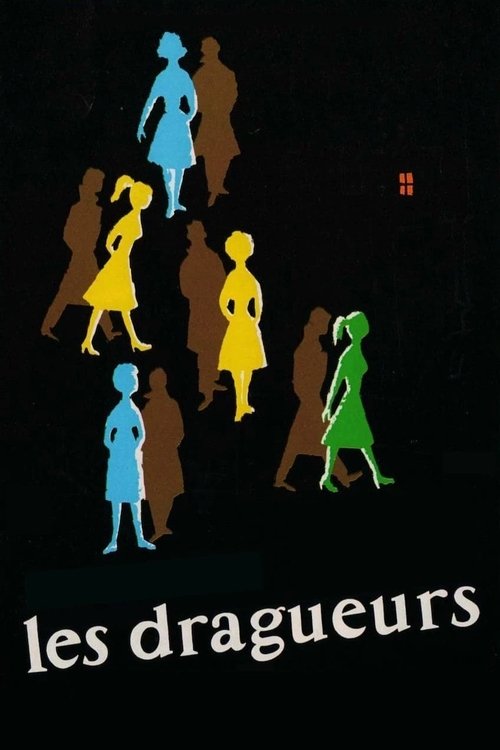
1959
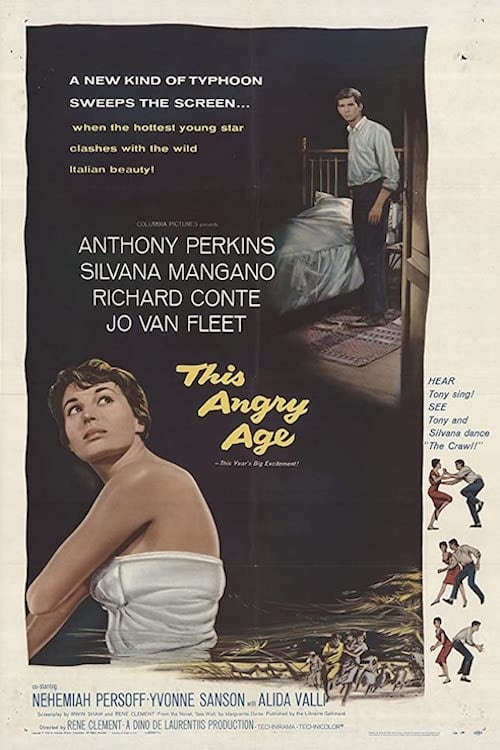
1957

2014
1964
No reviews yet. Be the first to share your thoughts on this movie!
Use the rating form above to leave a star rating and optional review.