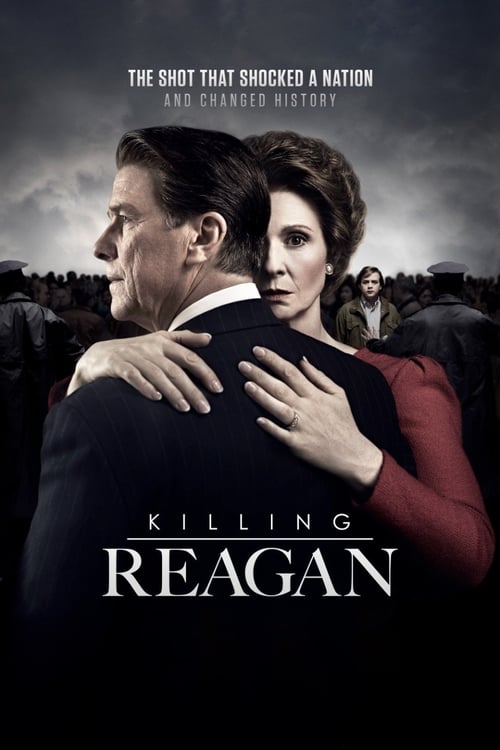
Killing Reagan
2016
No user ratings available yet
Representation score: 4.2 out of 10

Representation Score
Limited
1991
RDirector
Michael Toshiyuki Uno
Runtime
90 minutes
Average Rating
No ratings yetNew Showbiz Analysis
The film functions as a conventional biographical drama that prioritizes the lived experience of a singular, historically prominent white male figure. Its narrative architecture focuses on the intersection of political violence and personal resilience. While the film offers a nuanced look at disability and its connection to political activism, it lacks broader multi-layered depth. It does not engage with diverse racial, gendered, or LGBTQ+ perspectives. Ultimately, the production adheres to the historical and social norms of its subject matter. It provides a traditional portrayal of a public figure rather than a transformative approach to representation.
Category Breakdown
The film lacks significant LGBTQ+ characters or explorations of non-straight relationships. The narrative remains strictly confined to the Brady family's traditional biographical framework.
The story centers on the male protagonist's professional and physical struggles. While his wife is a central figure, the film adheres to traditional domestic and partnership structures.
The cast and setting reflect the demographic homogeneity of early 1980s US political circles. There is no evidence of color-blind casting or diverse ethnic perspectives.
The film operates within a framework of traditional Western political history. It documents the impact of political violence without utilizing an anti-institutional or anti-capitalist lens.
This is the film's strongest area, detailing the complexities of sudden, life-altering physical disability. It frames impairment as a catalyst for social and political action rather than passive tragedy.
Present on Screen
Limited or Absent
Official Synopsis
The story of Ronald Reagan's press secretary who was crippled in the 1981 assassination attempt on the president and who, with his wife, became the lightning rod for the gun control movement in the years since.
2016

2011
2001
2004
1993
2013
2007
2016
No reviews yet. Be the first to share your thoughts on this movie!
Use the rating form above to leave a star rating and optional review.