
LBJ
2017
No user ratings available yet
Representation score: 1.2 out of 10
Representation Score
Fair
2016
TV-14Director
Jay Roach
Runtime
132 minutes
Average Rating
No ratings yetNew Showbiz Analysis
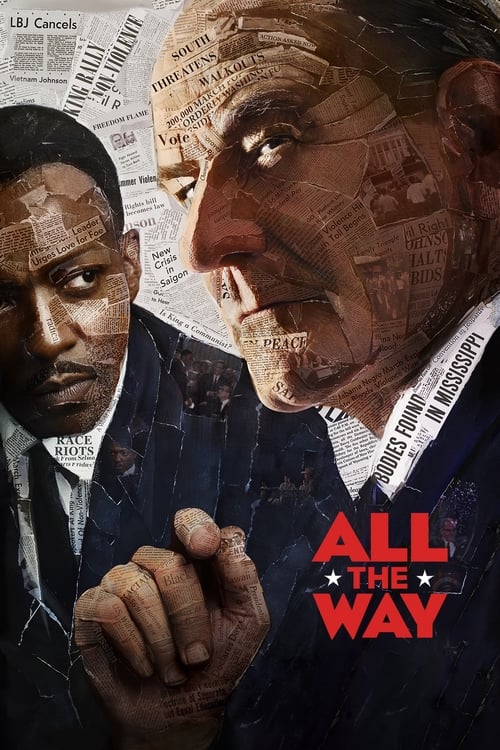
All the Way is a period-specific biographical drama that focuses on the study of institutional power and legislative history. It captures the mechanics of political transition during the LBJ presidency. The film is heavily centered on traditional, male-dominated political structures of the 1960s. While it acknowledges the struggle for racial justice through the Civil Rights Act, it remains a conventional depiction of Western political history. Overall, the film minimally challenges established gender, sexual, or social hierarchies, serving primarily as a study of mid-century leadership and systemic reform.
Category Breakdown
The film reflects the rigid assumption that everyone is straight or cisgender, with no LGBTQ+ characters or narratives present. The story focuses on the 1964 legislative battle without including any LGBTQ+ perspectives.
Men play the central roles in the traditional political hierarchy, while women are mostly relegated to supporting roles, often providing emotional support or maintaining domestic stability.
The central conflict revolves around the fight for the 1964 Civil Rights Act. Despite the predominantly white cast, the narrative emphasizes dismantling systemic racial inequalities.
The story unfolds within Western political institutions, focusing on the American democratic system. It avoids anti-Western critiques and highlights the internal mechanisms of institutional reform.
There are no characters with visible or invisible disabilities in the film. The narrative focuses solely on the political and psychological pressures faced by the executive branch.
Present on Screen
Limited or Absent
Official Synopsis
Lyndon B. Johnson's amazing 11-month journey from taking office after JFK's assassination, through the fight to pass the 1964 Civil Rights Act and his own presidential campaign, culminating on the night LBJ is actually elected to the office – no longer the 'accidental President.'
2017
2008
2012
1990
2014
2016

2019
2013
No reviews yet. Be the first to share your thoughts on this movie!
Use the rating form above to leave a star rating and optional review.