Flesh of the Orchid
1975
No user ratings available yet
Representation score: 4.8 out of 10
Representation Score
Minimal
1993
Director
Shinsuke Inoue
Runtime
65 minutes
Average Rating
No ratings yetNew Showbiz Analysis
The film centers a Japanese woman trapped by violent men, offering minimal representation beyond its national context. Gender roles are traditional: women are victims, men are aggressors or false saviors. No LGBTQ+, disability, or racial diversity appears. The synopsis provides a clear but narrow view of the narrative. It confirms the all-Japanese cast and the focus on heterosexual dynamics. There is no evidence of broader cultural critique or inclusive storytelling. Given the limited source material, claims remain minimal. The film prioritizes suspense and exploitation over character depth or diverse perspectives. Its representation is constrained by genre conventions and a narrow narrative scope.
Category Breakdown
No LGBTQ+ characters or same-sex relationships appear. The narrative focuses exclusively on heterosexual dynamics between the female protagonist and her male captors.
Ryoko anchors the plot as a woman surviving captivity, yet her agency is constrained by the genre’s emphasis on victimization. Male characters function as aggressors or would-be rescuers who become captors.
The cast is entirely Japanese, matching the film’s domestic setting and production context. No characters of other racial or ethnic backgrounds appear in the credits or summary.
The film depicts a bleak environment where trust and safety are absent. Law enforcement is implied to be ineffective, but no broader systemic critique emerges.
No characters with physical or mental disabilities are depicted. Violence and captivity serve as temporary plot devices rather than portrayals of ongoing disability.
Present on Screen
Limited or Absent
Official Synopsis
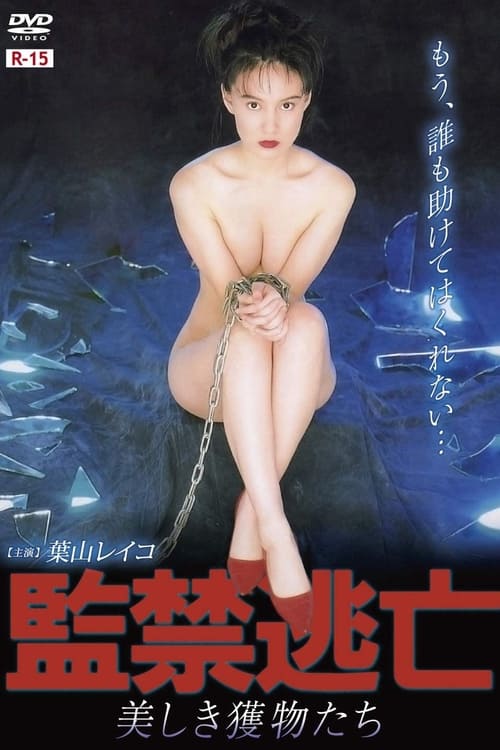
Ryoko, a cosmetics saleswoman, accidentally runs over a man, who turns out to be a serial rapist who escaped from a prison transport vehicle. Held captive inside her car by the bloodied man, she seizes an opportunity to escape. Wandering through the forest, she arrives at a mountain cabin where she is rescued by another man. However, he harbors twisted sexual desires of his own. Once discovered, he imprisons Ryoko too...
1975

1964
1996

2003

1995

2007

2004

1994
No reviews yet. Be the first to share your thoughts on this movie!
Use the rating form above to leave a star rating and optional review.