
The Amazing Mr. Blunden
1972
No user ratings available yet
Representation score: 0.4 out of 10
Representation Score
Good
2005
Not RatedDirector
Carsten Myllerup
Runtime
80 minutes
Average Rating
No ratings yetNew Showbiz Analysis
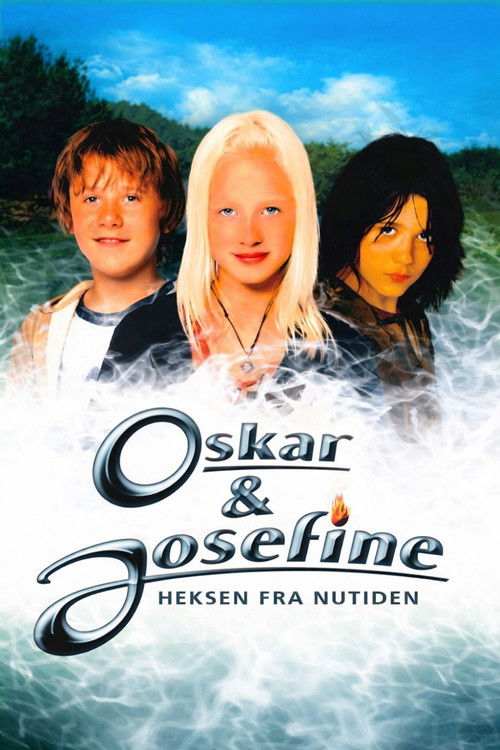
Oskar and Josefine is a traditional family fantasy that emphasizes genre-driven adventure over complex diversity. While it features a female protagonist who play a significant role in driving the story, the film operates within narrow demographic and social boundaries. The production is grounded in a Eurocentric historical context, limiting racial and ethnic diversity. Themes of persecution offer a critique of historical institutional authority, but the overall scope remains focused on conventional storytelling. Ultimately, the film presents a standard hero's journey without the systemic critique or diverse representation needed for a higher progressive rating.
Category Breakdown
The film does not include visible LGBTQ+ identities or challenge the assumption that everyone is straight or cisgender. The story centers on the friendship between Oscar and Josefine without exploring non-traditional gender roles or sexual orientations.
Josefine is a proactive female protagonist who uses her supernatural abilities to change history. Although she avoids being a passive stereotype, the story still relies on some traditional genre clichés.
The film is set in a localized European landscape spanning both contemporary and 17th-century periods. The narrative reflects a homogeneous demographic without evidence of diverse casting or a multicultural cast.
The story critiques 17th-century religious dogma by showing the persecution of a 'witch.' However, the film remains centered on a conventional, family-oriented storyline.
A sickly young girl serves as a catalyst for the plot’s historical intervention. It is unclear whether her vulnerability is explored deeply or if she is simply used as a narrative device.
Present on Screen
Limited or Absent
Official Synopsis
Oscar and Josefine are celebrating Midsummer with Oscar's grandparents in the country. A demon, Thorsen, gives Josefine the gift of enabling her to travel back in time. Visiting Oscar's family in the 17th century, Josefine saves a sickly young girl from the stake. But now the villagers see Josefine as a witch and want to burn her at the stake instead.
1972
2009

2021
1997
1906

2020

2013
2015
No reviews yet. Be the first to share your thoughts on this movie!
Use the rating form above to leave a star rating and optional review.