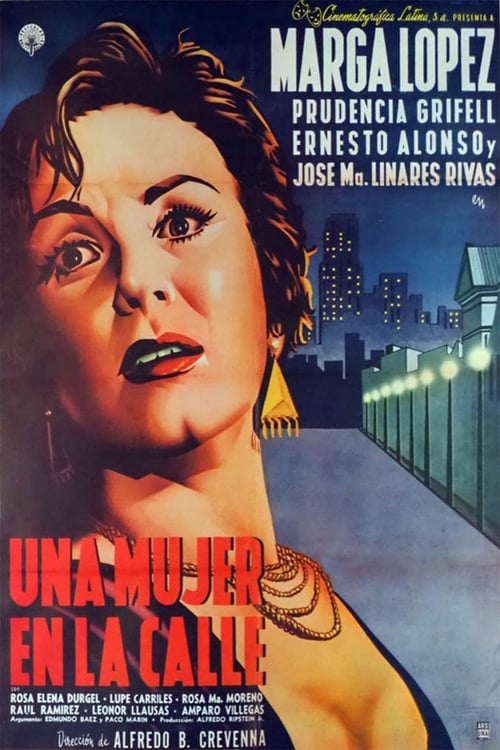
Una mujer en la calle
1955
No user ratings available yet
Representation score: 3.0 out of 10
Representation Score
Good
1951
Director
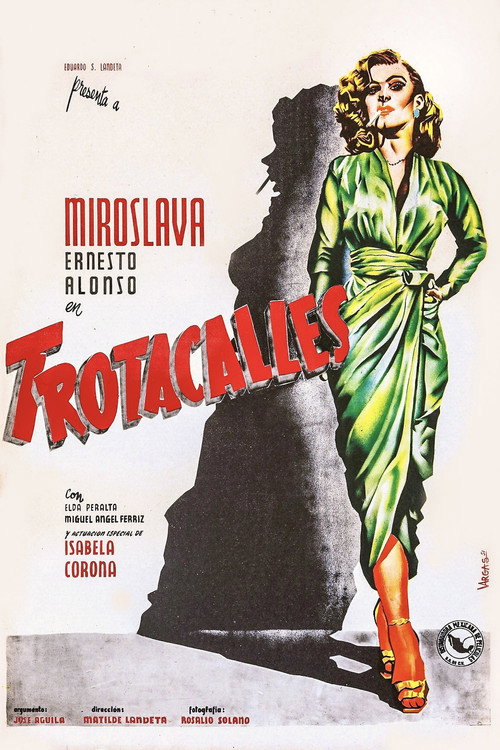
Matilde Landeta
Runtime
98 minutes
Average Rating
No ratings yetNew Showbiz Analysis
Matilde Landeta’s direction provides a vital female perspective during the Golden Age of Mexican cinema. By focusing on women navigating underrepresented roles, the film challenges mid-century patriarchal norms and explores complex social hierarchies. The film excels at deconstructing social stability, using the contrast between two sisters to critique both the underworld and high society. It replaces traditional masculine leadership with a focus on female survival strategies. While the film offers strong cultural specificity and gendered social realism, it lacks explicit LGBTQ+ representation and does not address disability. Its strength lies in its nuanced critique of systemic exploitation.
Category Breakdown
The film focuses on romantic and predatory interactions between women and men. There are no characters explicitly identified as LGBTQ+ or non-straight-centered.
The movie highlights women's resilience against systemic abuse, emphasizing women's ability to drive the story. Male characters are portrayed as exploitative figures contributing to women's struggles.
Set in Mexico City, the film offers a culturally specific perspective rooted in the local social fabric. It provides a non-Western viewpoint on crime and class issues.
The story critiques traditional institutions such as marriage and class stability through a lens of subjective morality. It explores corruption within both high society and sex work.
The provided information contains no mention of characters with visible or invisible disabilities.
Present on Screen
Limited or Absent
Official Synopsis
In Mexico City, two sisters live radically different lives: Maria, who—along with her supportive group of fellow sex workers—must deal with unscrupulous, abusive clients and her exploitative pimp, Rudy, and Elena, a society woman trapped in a marriage of convenience, who falls prey to Rudy’s fortune-seeking seduction.
1955
1931
1950
1970
1980

1956
1976

1964
No reviews yet. Be the first to share your thoughts on this movie!
Use the rating form above to leave a star rating and optional review.