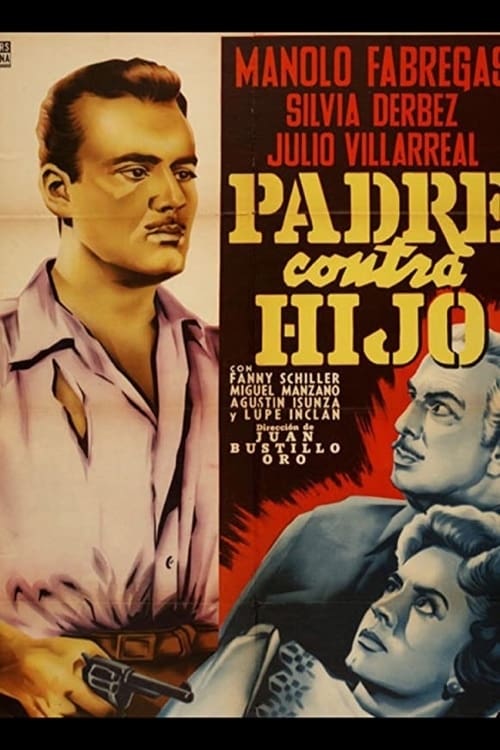
Padre contra hijo
1955
No user ratings available yet
Representation score: 1.4 out of 10
Representation Score
Limited
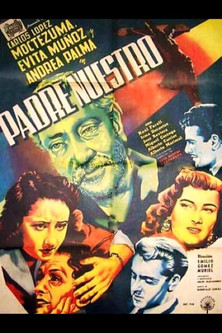
1953
Director
Emilio Gómez Muriel
Runtime
89 minutes
Average Rating
No ratings yetNew Showbiz Analysis
Padre nuestro is a quintessential mid-century melodrama that prioritizes the preservation of the traditional family unit. The story follows a patriarch's fall from grace, using his professional failure as the primary catalyst for the family's shift in social status. While the film offers culturally specific representation by centering a Mexican cast and domestic themes, it operates within a very narrow social framework. It reinforces conventional hierarchies rather than challenging them. Ultimately, the film serves as a reflection of the era's standard dramatic structures, focusing on moral consequences and domestic stability rather than diverse or subversive storytelling.
Category Breakdown
The film adheres to the assumption that everyone is straight or cisgender, typical of 1950s Mexican melodrama. There is no evidence of diverse sexual orientations or same-sex intimacy.
While female stars like Andrea Palma are prominent, the plot centers on male control and the patriarch's professional failure. Women are positioned as stabilizers within the home rather than primary drivers of the story.
The production features a predominantly non-Anglo-Saxon cast consistent with its Mexican origin. However, it largely reinforces traditional Mexican archetypes of the Golden Age era.
The narrative focuses on traditional Western and Christian values regarding family sanctity. It emphasizes moral redemption and social stability following a crisis of embezzlement.
The film contains no visible or invisible depictions of characters with disabilities.
Present on Screen
Limited or Absent
Official Synopsis
Pops is dismissed from his banking job for embezzlement, and his family have to adjust to a more modest lifestyle.
1955

1945

2019

1937
1972

1940

1962
1939
No reviews yet. Be the first to share your thoughts on this movie!
Use the rating form above to leave a star rating and optional review.