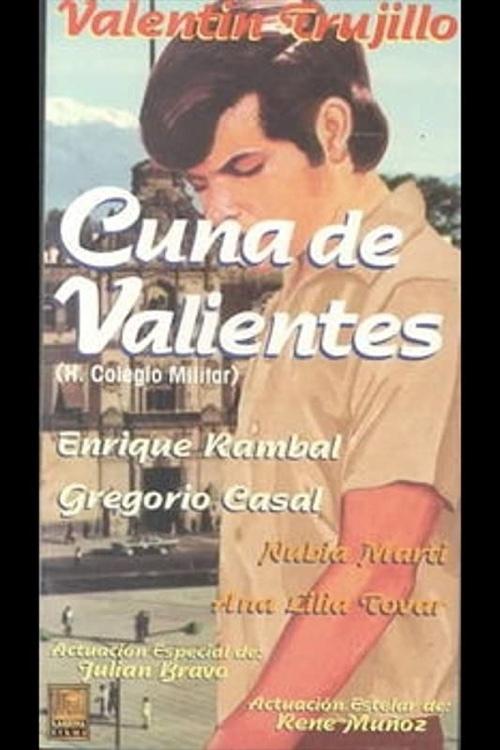
Cuna de valientes
1972
No user ratings available yet
Representation score: 1.8 out of 10
Representation Score
Minimal
1955
TV-PGDirector
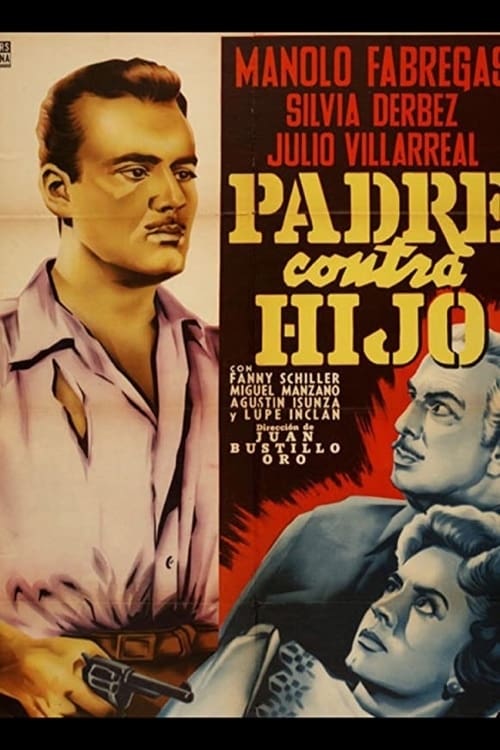
Juan Bustillo Oro
Runtime
90 minutes
Average Rating
No ratings yetNew Showbiz Analysis
Padre contra hijo is a quintessential mid-century melodrama that upholds established social hierarchies. The plot centers on paternal authority, legitimacy, and the consequences of lineage, anchoring the film in a traditionalist worldview. While the film offers authentic regional representation for its time, it lacks the intention to challenge conventional power dynamics. The narrative structure prioritizes patriarchal conflict over exploring diverse identities. Ultimately, the film reflects the social structures of 1955 Mexico rather than serving as a tool for subverting them.
Category Breakdown
The film follows conventions that assume everyone is straight or cisgender. It does not include any queer narratives or characters with non-traditional gender identities.
The story centers around conflicts driven by patriarchal authority and masculine hierarchies. Eloisa, a hardworking provider, plays a supporting role to the central themes of paternal authority and lineage.
The cast primarily features Mestizo/Mexican actors typical of the Golden Age period. However, the film adheres to the specific class and racial hierarchies of its era.
The narrative emphasizes traditional moral frameworks and the sanctity of the family unit. The drama arises from conflicts within established social and institutional orders.
There are no characters with visible or invisible disabilities mentioned in the narrative.
Present on Screen
Limited or Absent
Official Synopsis
Eloisa works hard, sewing, to his son Juan de Dios. He learns that he is the bastard son of Cecilio, who owns almost a whole town named: San Juan de Dios, Durango.
1972
1953
2010
2016
2015
1956

1965
1950
No reviews yet. Be the first to share your thoughts on this movie!
Use the rating form above to leave a star rating and optional review.