Blood
1998
No user ratings available yet
Diversity score: 3.7 out of 10
1989
Director
Shuji Goto
Runtime
100 minutes
Average Rating
No ratings yetSynopsis
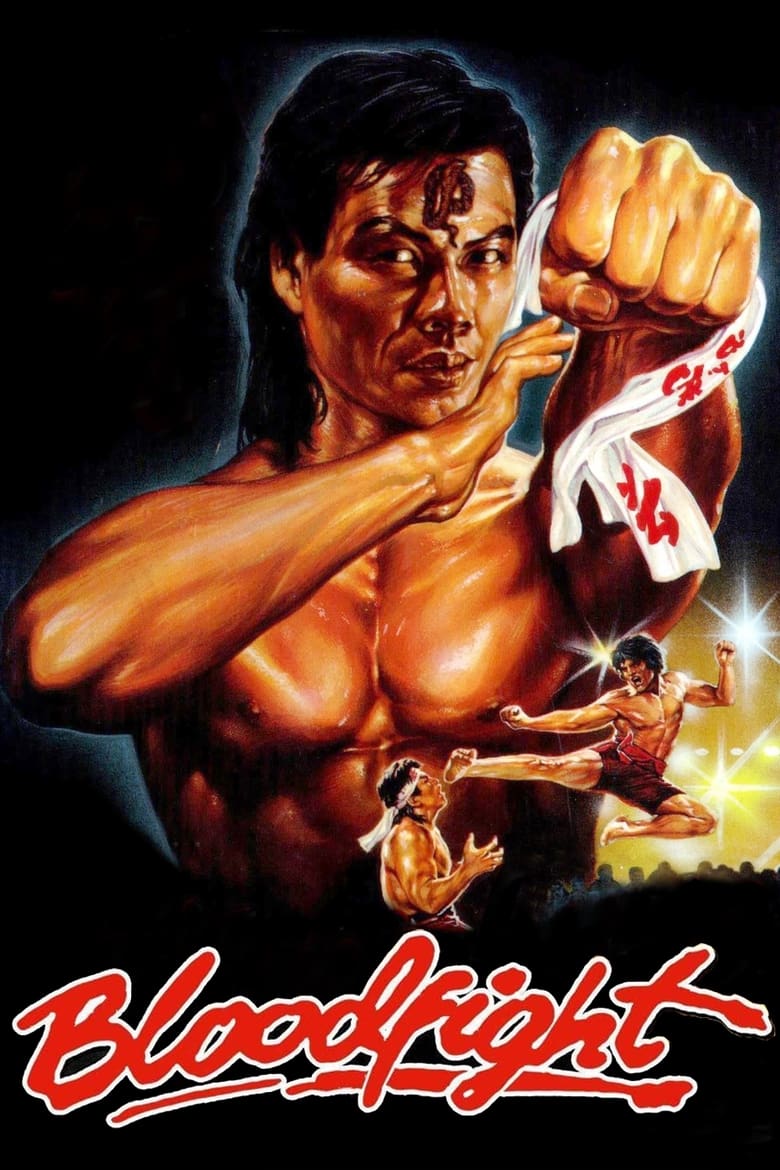
Master martial artist Masahiro Kai is a shadow of the champion fighter and trainer he once was. After his protégé was slain in a no-holds-barred, underground fight by the incomparable Chang Lee, Kai slips into a numbing alcohol-induced stupor to try to forget the past.
Overall Score
Limited
Category Breakdown
LGBTQ+ Representation
The film follows a traditional masculine arc centered on grief and martial arts redemption. It lacks queer subtext or any indication of non-heteronormative identities.
Gender Representation
The story is driven by male-centric themes of mentorship and combat. It centers on a male protagonist and antagonist without providing female characters with significant agency.
Racial & Ethnic Diversity
A cross-cultural confrontation exists between a Japanese protagonist and Chang Lee. However, the focus remains on individual martial arts struggles rather than systemic racial exploration.
Religious & Cultural Diversity
The narrative relies on standard tropes of honor and vengeance. It follows a conventional heroic journey pattern common to 1980s action cinema without deeper cultural critique.
Disability Representation
The protagonist's alcohol dependency serves as a character flaw for a fallen hero archetype. The film does not explore neurodivergence or agency regarding chronic illness.
Strengths
Areas for Improvement
AI Analysis
Bloodfight is a conventional 1980s action piece that prioritizes traditional masculine archetypes. The narrative focuses on a linear progression of vengeance and physical combat, leaving little room for complex social commentary. While the film utilizes international casting through its Japanese and Chinese character dynamics, these elements function primarily to serve the martial arts genre. The representation lacks the intersectional depth required to challenge established social hierarchies. Ultimately, the film adheres to the era's standard tropes. It lacks significant representation for women, LGBTQ+ individuals, or nuanced depictions of disability, focusing instead on a singular, male-driven struggle for redemption.
1998
1990
1991

1972
1995
1982
1977
1976
1977
1987
1980
1981
No reviews yet. Be the first to share your thoughts on this movie!
Use the rating form above to leave a star rating and optional review.