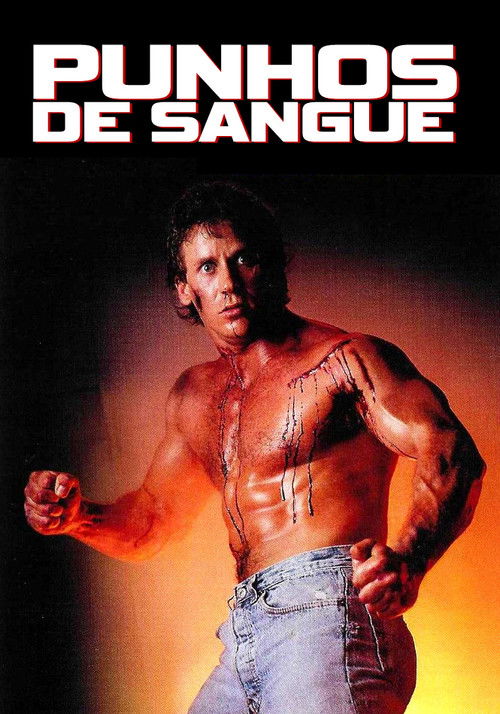
Blood Hands
1990
No user ratings available yet
Representation score: 1.8 out of 10
Representation Score
Limited
1992
Director
Teddy Page
Runtime
92 minutes
Average Rating
No ratings yetNew Showbiz Analysis
Fighting Spirit is a conventional 1990s action film that relies heavily on established genre clichés. The narrative structure prioritizes a masculine arc of vengeance, where male characters drive the plot through violence and martial arts training. Representation is limited by the film's reliance on reactive characters. Female and disabled characters exist primarily to trigger the male protagonist's journey rather than having their own choices or complex identities. Ultimately, the film adheres to a standard moral dichotomy. It lacks the multi-layered depth or subversion required to move beyond the traditional archetypes of the era.
Category Breakdown
The film lacks explicit LGBTQ+ characters or non-assuming gender matches what was assigned at birth identities. It focuses on traditional masculine roles, leaving queer representation entirely absent.
Male characters like Billy and David play significant roles in driving the plot. Judith mainly serves as a catalyst for male vengeance, reinforcing clichés of female passivity.
The film uses urban crime archetypes common to 1990s action cinema. However, there is no evident multi-layered depth or diverse casting.
The film follows standard Western action clichés centered on individual justice and retribution. It does not challenge traditional moral dichotomies or institutions.
Judith's physical trauma functions as a plot device to motivate the protagonist. The film lacks a nuanced exploration of disability or neurodivergent representation.
Present on Screen
Limited or Absent
Official Synopsis
Billy is a young fighter whose sister Judith was hurt after a near gang rape. When he learns she must have surgery, crime boss Russell has Billy compete in illegal street fights. When Billy learns he may get killed, he quits but is later killed by Russell and his men, who were the ones responsible for Judith's accident. After his death, Billy must rely on one man to seek revenge for him: his best friend David. However, David must train in the martial arts before he can seek revenge. Davidy seeks guidance from the ghost of Billy as well as Billy's trainer and ally, Murphy.
1990

1972
1995
1976
1993
1983
1995
1992
No reviews yet. Be the first to share your thoughts on this movie!
Use the rating form above to leave a star rating and optional review.