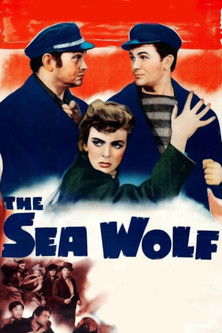
The Sea Wolf
1941
No user ratings available yet
Representation score: 2.8 out of 10

Representation Score
Minimal
1937
Director
Thornton Freeland
Runtime
77 minutes
Average Rating
No ratings yetNew Showbiz Analysis
Jericho is a product of the 1930s studio system, prioritizing conventional adventure storytelling over social commentary. The narrative is driven by a male-centric conflict involving a corporal and a captain, leaving little room for diverse perspectives. The film's setting in Africa suggests a reliance on colonialist clichés prevalent in its era. Rather than challenging systemic structures, the story focuses on an individual's quest to clear his name within existing hierarchies. Ultimately, the work lacks complexity in reflecting multiple aspects of identity. It functions as a standard drama centered on individual conflict rather than an exploration of identity or systemic social issues.
Category Breakdown
The film follows the standard conventions of 1937, assuming everyone is straight or cisgender. There are no LGBTQ+ characters or stories that question traditional social norms.
The narrative centers around male-dominated military and adventure structures, with a male protagonist and antagonist. There are no subverted gender roles or strong female characters.
Set in Africa, the film likely uses colonialist perspectives common to 1930s adventure cinema. There is no evidence of actively leading characters of color or a non-Anglo-Saxon majority cast.
The plot follows a traditional adventure model where a hero proves his innocence. It lacks a critique of Western institutions, favoring familiar adventure clichés over moral relativism.
The film does not include any characters with physical or mental disabilities.
Present on Screen
Limited or Absent
Official Synopsis
An unjustly condemned corporal flees to Africa, chased by the captain blamed for his escape.
1941

1939

1934
1935

1928

1932

1937

1930
No reviews yet. Be the first to share your thoughts on this movie!
Use the rating form above to leave a star rating and optional review.