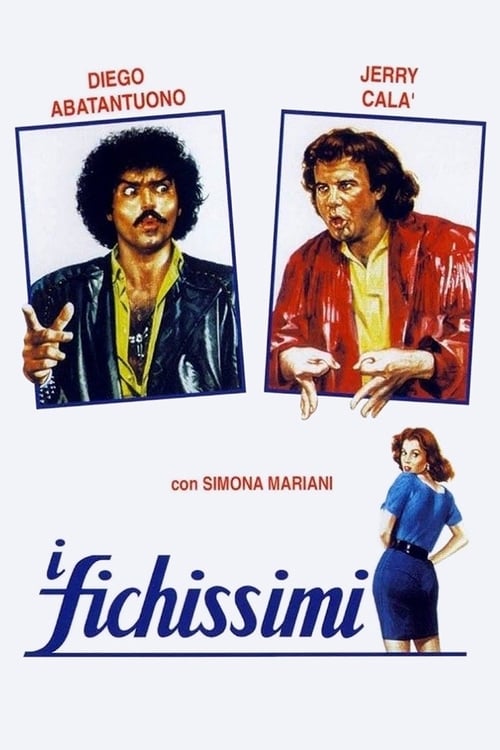
I Fichissimi
1981
No user ratings available yet
Representation score: 1.8 out of 10
Representation Score
Limited
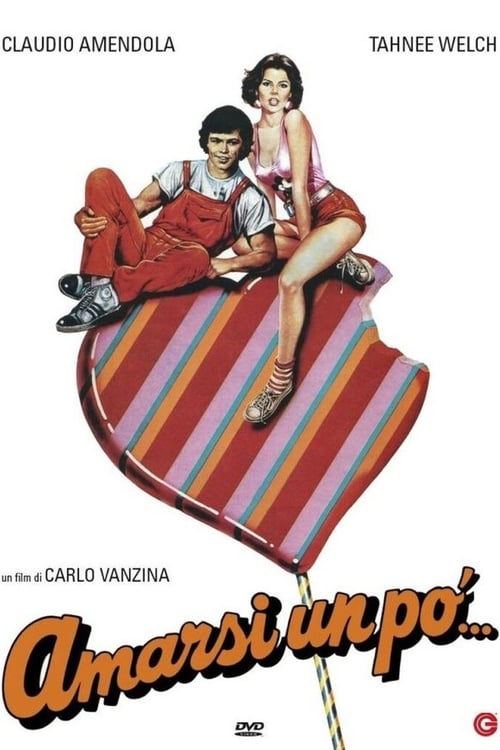
1984
Director
Carlo Vanzina
Runtime
93 minutes
Average Rating
No ratings yetNew Showbiz Analysis
Amarsi un po'... is a period-specific commercial comedy that adheres to the traditional archetypes of the Italian commedia genre. The story prioritizes light-hearted entertainment and conventional romantic clichés over progressive narrative structures. The film's conflict revolves around class distinctions—a working-class mechanic and royalty—but does not challenge identity-based hierarchies. This focus keeps the story within a traditional social framework. Ultimately, the work lacks complexity in intersecting identities. It reflects 1980s Italian social norms rather than serving as a tool for critiquing systemic structures related to race, gender, or sexuality.
Category Breakdown
The film follows a traditional heterosexual storyline without addressing non-binary gender identities or critiques of the assumption that everyone is straight or cisgender.
The plot centers on a classic 1980s romantic storyline. However, the conflict arises from class-based social norms rather than challenging gender hierarchies.
The film focuses on a homogeneous Italian demographic typical of mainstream 1984 Italian cinema. It highlights Italian social classes without featuring a diverse or non-white cast.
The narrative examines the tension between socioeconomic classes through a romanticized lens. It upholds traditional Western social structures without questioning institutions like the family.
The film does not depict physical or neurodivergent disabilities in its narrative or character profiles.
Present on Screen
Limited or Absent
Official Synopsis
In an accident the young mechanic Marco Coccia meets Cristiana. The two fall in love with one another. Cristiana confesses only later that she is a genuine princess. For Marco it is not a problem, but for Cristiana's parents it is a very big problem. The two must separate. When one evening Cristiana calls Marco and lets him know about her forthcoming wedding, Marco with the car races toward Paris and has an accident...
1981
1981
1957

1952
1968
1985
1957
1972
No reviews yet. Be the first to share your thoughts on this movie!
Use the rating form above to leave a star rating and optional review.