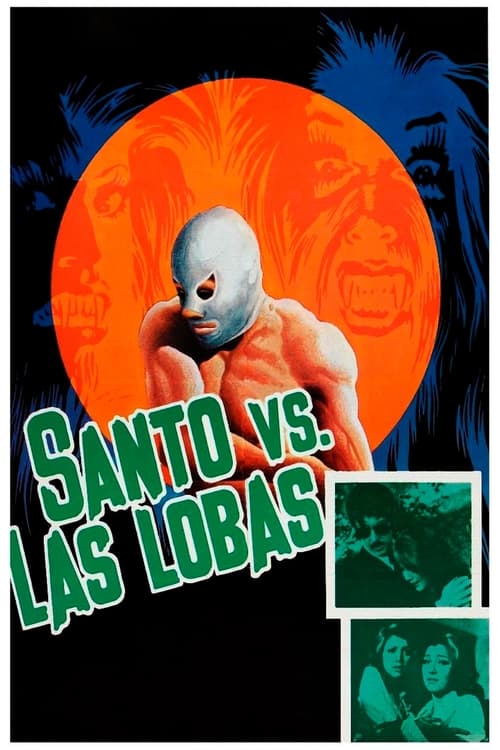
Santo vs. the She-Wolves
1976
No user ratings available yet
Representation score: 2.0 out of 10

Representation Score
Minimal
1962
NRDirector
Alfonso Corona Blake
Runtime
89 minutes
Average Rating
No ratings yetNew Showbiz Analysis
Santo vs. the Vampire Women exemplifies mid-century genre cinema that upholds established social hierarchies. It excels in offering authentic ethnic representation by focusing on Mexican cultural icons and a domestic cast, providing a non-Anglo-centric perspective. However, the film lacks narrative complexity around identity issues. It relies heavily on the 'heroic protector' cliché, which reinforces traditional gender roles rather than challenging them. Ultimately, the film aims to maintain a stable, conventional social order, prioritizing high-concept entertainment and national mythologies over diverse or subversive storytelling.
Category Breakdown
The film does not include any queer subtext or non-cisgender identities, operating within a strictly straight-focused framework.
Female characters are limited to traditional roles as either vulnerable victims or supernatural antagonists. The film emphasizes a hyper-masculine protector archetype.
The film features a predominantly Mexican cast, providing authentic ethnic representation for its time. It focuses on Mexican cultural icons like the luchador.
The narrative presents conflicts as a struggle between good and evil, maintaining traditional moral binaries and preserving social order.
There are no prominent depictions of physical or neurodivergent disabilities who play a significant role in driving the story. Characters operate within typical action-horror genre conventions.
Present on Screen
Limited or Absent
Official Synopsis
A professor recruits a professional wrestler to protect his daughter from vampires intent on kidnapping her and marrying her to the devil.
1976

2005
1983
1972
1991

2003
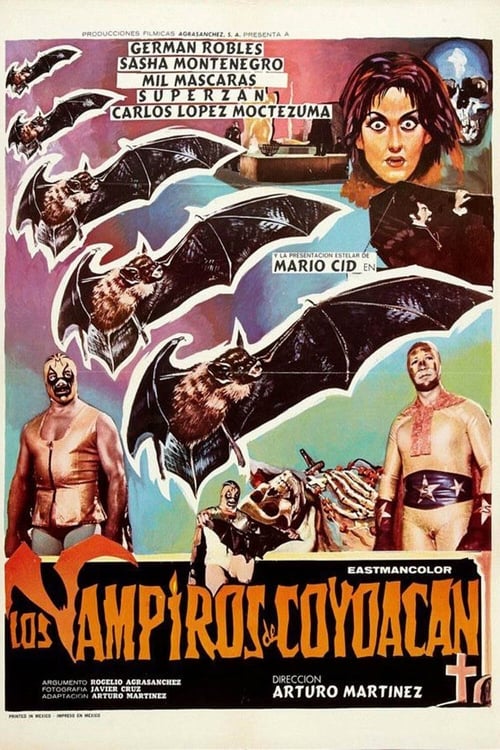
1974
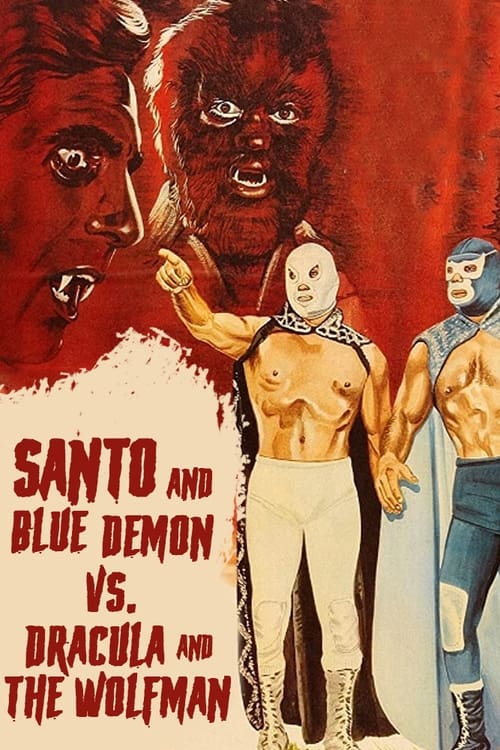
1973
No reviews yet. Be the first to share your thoughts on this movie!
Use the rating form above to leave a star rating and optional review.