The Three Musketeers
1953
No user ratings available yet
Diversity score: 1.4 out of 10
1961
Director
André Hunebelle
Runtime
100 minutes
Average Rating
No ratings yetSynopsis
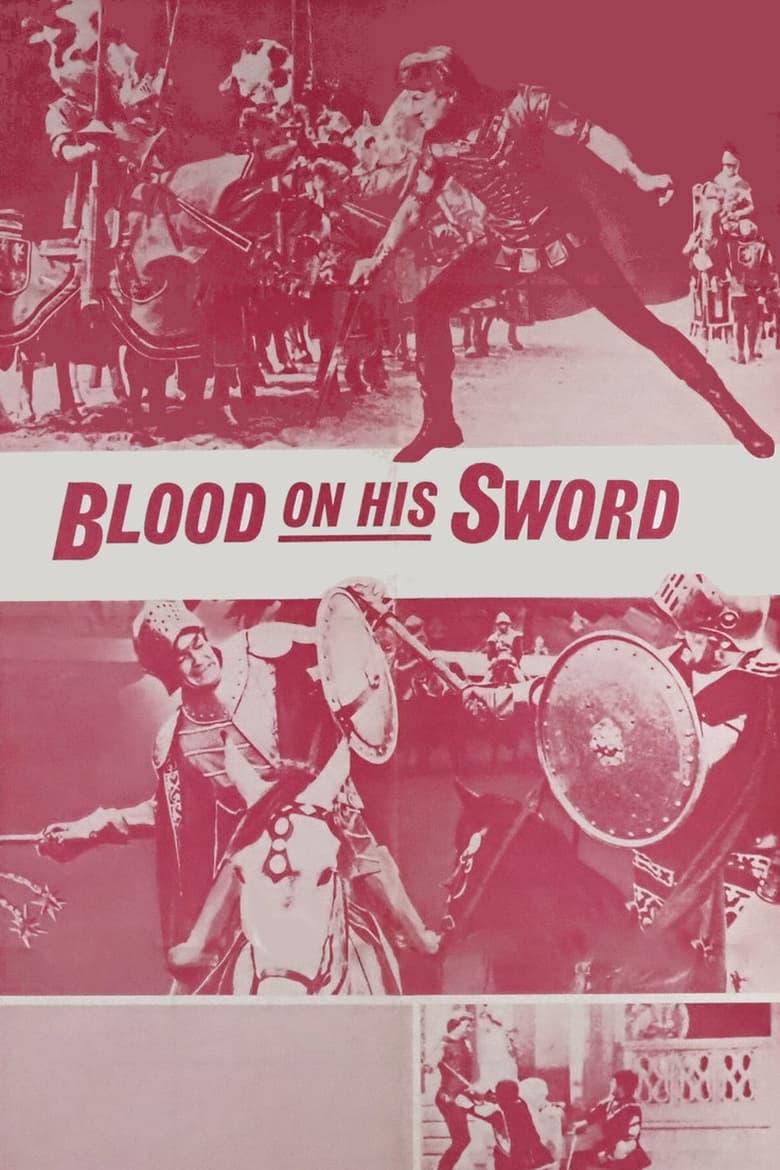
Charles le Temeraire asks in marriage Jeanne de Beauvais, daughter of King Louis XI, wishing to get her valuable lands in dowry. The King is wise to this, and since his daughter does not feel inclined to accept, he refuses. Charles sets up a plan to abduct the prince, in a way that the suspicions will fall upon Robert de Neuville, a noble enamoured of the princess. Robert manages to free her from the castle where she was being kept. Charles keeps setting traps, and managing people to perjure against Jeanne, and the King himself. Finally, Jeanne escapes alive from a pack of wolves, who set watching the lady alone in the snow covered woods, instead of attacking her. Charles does yet accuse her of being a witch - wishing to have her dead rather than being the wife of Robert... Robert will be her champion in a Judgement of God. Will the 'miracle of the wolfs' repeat itself, or fearless Charles defeat Robert in the sword duel?
Overall Score
Minimal
Category Breakdown
LGBTQ+ Representation
The film operates within a strictly heteronormative framework. There are no depictions of non-cisnormative identities or narratives that challenge traditional romantic structures.
Gender Representation
The narrative reinforces traditional hierarchies where the female lead serves as a catalyst for male conflict. The plot relies on the 'champion' trope, requiring a male protagonist to defend the heroine's honor through combat.
Racial & Ethnic Diversity
The film features a homogeneous European cast consistent with its 16th-century French setting. It focuses on the internal power dynamics of the French nobility without engaging with racial diversity.
Religious & Cultural Diversity
The story celebrates traditional Western institutions like the monarchy and divine justice. It upholds the sanctity of the aristocratic class as a foundational element of its moral conflicts.
Disability Representation
There is no representation of physical, sensory, or neurodivergent identities. Characters are presented through an idealized lens of physical vitality and athletic capability.
Strengths
Areas for Improvement
AI Analysis
Blood on His Sword is a traditionalist swashbuckler that prioritizes courtly intrigue and masculine heroism. It adheres to the social hierarchies of its 16th-century setting and the cinematic conventions of 1961. The film relies on classical archetypes, such as the virtuous maiden and the noble hero, to drive the plot. This focus on genre-standard heroism comes at the expense of intersectional complexity or the subversion of social norms. Ultimately, the work functions as a preservation of European adventure tropes. It reinforces established gender and class structures rather than offering any critique of the systems it portrays.
No reviews yet. Be the first to share your thoughts on this movie!
Use the rating form above to leave a star rating and optional review.