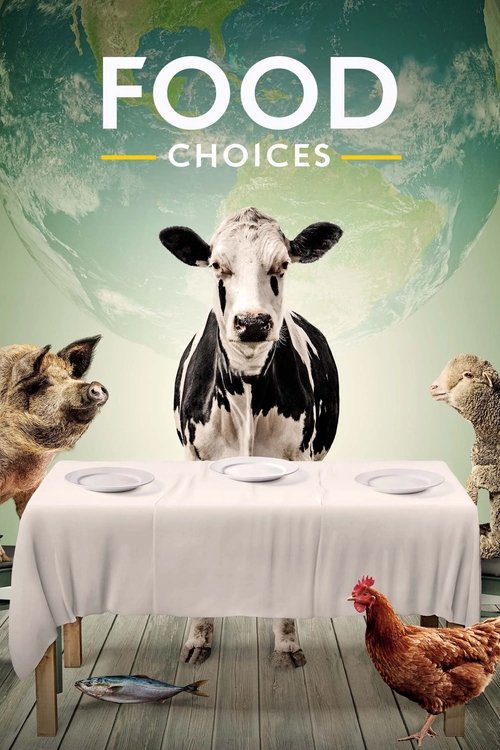
Food Choices
2016
No user ratings available yet
Representation score: 3.2 out of 10
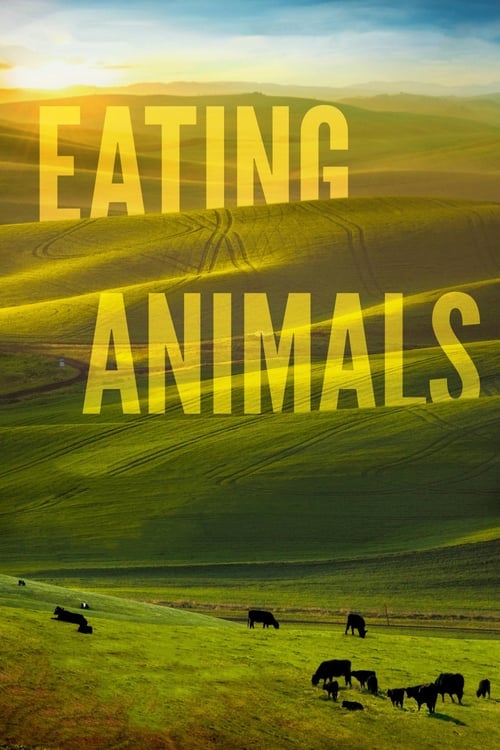
Representation Score
Good
2018
UnratedDirector
Christopher Dillon Quinn
Runtime
94 minutes
Average Rating
No ratings yetNew Showbiz Analysis
Eating Animals is a focused critique of the industrial agricultural complex. It excels at challenging Western consumerist ideals and capitalist frameworks, offering a strong cultural critique of modern food production. However, the film maintains a neutral stance on identity-based categories, focusing on mechanical and corporate structures rather than human social identities. While it avoids harmful stereotypes, it lacks meaningful representation regarding gender, race, LGBTQ+ status, or disability, as these elements fall outside its primary investigative scope.
Category Breakdown
The documentary focuses on industrial agriculture and animal ethics, avoiding any direct exploration of LGBTQ+ issues. While it does not include derogatory depictions, it lacks narratives or discussions related to LGBTQ+ identities.
The film maintains a neutral stance on gender dynamics, focusing instead on institutional processes. It does not reinforce or subvert traditional gender roles, keeping the narrative centered on systemic structures.
The film examines the globalized food industry and the socioeconomic conditions of the agricultural workforce. However, it does not center racial or ethnic identity as a primary narrative driver.
The film provides a strong critique of Western consumerist culture and capitalist motives. It challenges the morality of profit-driven industrial meat production and its environmental impact.
Disability is not a central theme or plot device in this work. The focus remains on animal sentience and industrial mechanics, leaving human neurodivergence and physical disability unaddressed.
Present on Screen
Limited or Absent
Official Synopsis
An examination of our dietary choices and the food we put in our bodies.
2016

2000

2011
1978
2015

2011
2016
2019
No reviews yet. Be the first to share your thoughts on this movie!
Use the rating form above to leave a star rating and optional review.