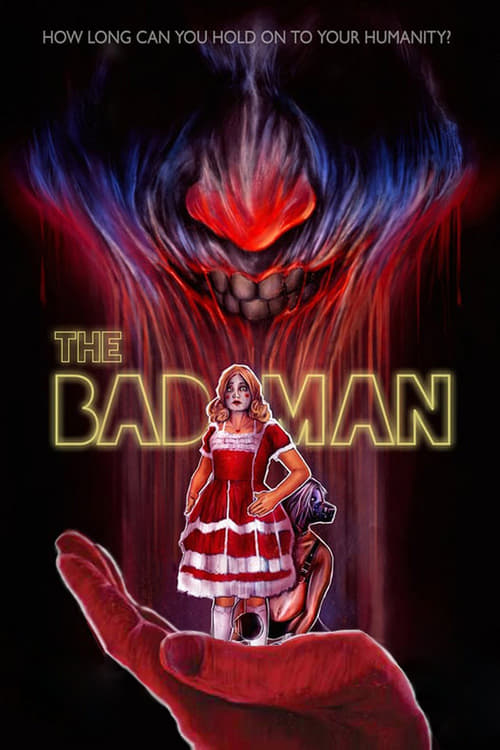
The Bad Man
2018
No user ratings available yet
Diversity score: 3.4 out of 10

2000
NRDirector
Eric Stanze
Runtime
95 minutes
Average Rating
No ratings yetSynopsis
A young woman named Clara is captured by a serial killer named Leonard who records his “life story” by keeping a scrapbook of his many victims. In addition to adhering Polaroids, scraps of clothing, and other small trophies to the pages, Leonard has forced his victims to personally write in the scrapbook about their individual ordeals. Clara is beaten, raped, starved, and locked up like an animal, filthy and naked. She is forced to write in the scrapbook, adding her agony to the pages. She soon realizes that her only hope for survival is to manipulate Leonard through her writings in his cherished scrapbook.
Overall Score
Minimal
Category Breakdown
LGBTQ+ Representation
The film lacks LGBTQ+ characters or narratives addressing non-cisnormative identities. The central conflict focuses on a traditional, violent gendered power dynamic.
Gender Representation
The story relies on regressive hierarchies, positioning Clara in a state of extreme vulnerability. While she may find agency through manipulation, the framework reinforces 'damsel in distress' tropes.
Racial & Ethnic Diversity
The documentation does not specify the racial or ethnic identities of the cast. Consequently, the ethnic composition of the characters remains unverified.
Religious & Cultural Diversity
The narrative centers on individual trauma rather than a critique of social institutions or religion. It focuses on a localized cycle of interpersonal violence.
Disability Representation
Physical trauma and starvation serve as plot devices to heighten horror stakes. These depictions risk treating suffering as spectacle rather than exploring authentic disability or neurodivergence.
Strengths
Areas for Improvement
AI Analysis
Scrapbook operates within the traditional confines of exploitation horror. The narrative prioritizes extreme victimization and survivalist instincts over the subversion of social hierarchies or intersectional representation. The film relies heavily on conventional tropes, particularly regarding gendered power imbalances. The protagonist is defined by her subjugation to a male predator, which aligns with regressive cinematic structures. Ultimately, the work lacks meaningful engagement with diverse identities, focusing instead on a localized, interpersonal cycle of violence that avoids broader social or cultural critiques.
2018

2000

2020
1977
2006
2018

2008
No reviews yet. Be the first to share your thoughts on this movie!
Use the rating form above to leave a star rating and optional review.