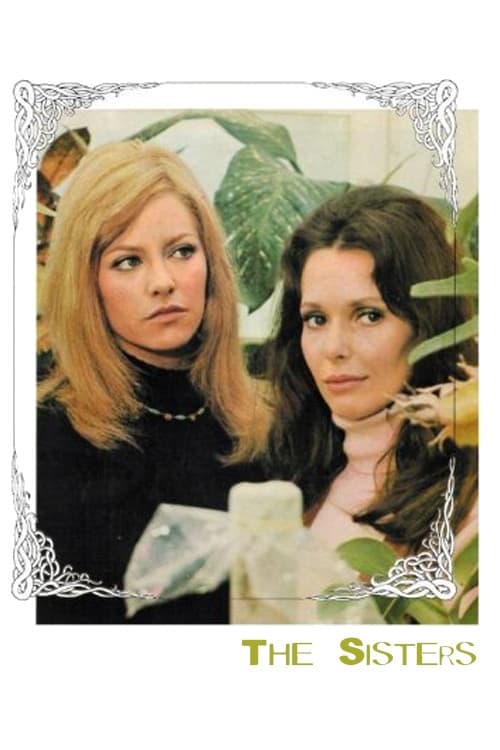
The Sisters
1969
No user ratings available yet
Representation score: 5.0 out of 10

Representation Score
Good
1980
Director
Jesús Franco
Runtime
80 minutes
Average Rating
No ratings yetNew Showbiz Analysis
Jesús Franco’s work challenges traditional social hierarchies through moral ambiguity and transgressive themes. The film's strength lies in its willingness to dismantle conventional domestic and religious structures, integrating non-straight-centered dynamics into the core plot tension. However, the film struggles with racial diversity and provides limited insight into the ability to act of its characters with mental health histories. The casting remains largely homogeneous, reflecting the era's European genre standards. Ultimately, the film succeeds as a postmodern disruption of Western narrative expectations, even while relying on familiar formulas regarding institutionalization and gender vulnerability.
Category Breakdown
The film challenges traditional domestic life by focusing on a husband living with a man. This relationship is central to the plot rather than being a token gesture.
The story explores reversed gender roles through a vulnerable female character. The focus on a male conspiracy critiques the stability and predatory nature of patriarchy.
The film seems to lack significant racial or ethnic diversity. It follows a homogeneous casting approach typical of mid-century European genre cinema.
The story questions traditional institutions by featuring a disillusioned nun and greed-driven conspiracies. It avoids singular moral frameworks, showing religious structures as sites of systemic dysfunction.
Themes of mental health are introduced through the protagonist's history with an insane asylum. However, it is unclear if the portrayal offers nuance or merely uses neurodivergence as a plot device.
Present on Screen
Limited or Absent
Official Synopsis
Jess Franco film about a woman returning home from an insane asylum only to discover her husband is now living with a man. The two men eventually find a nun who's been raped and the three come up with a plot to kill the wife for her money.
1969

1978

1983

1976
1981
1968
1978

1975
No reviews yet. Be the first to share your thoughts on this movie!
Use the rating form above to leave a star rating and optional review.