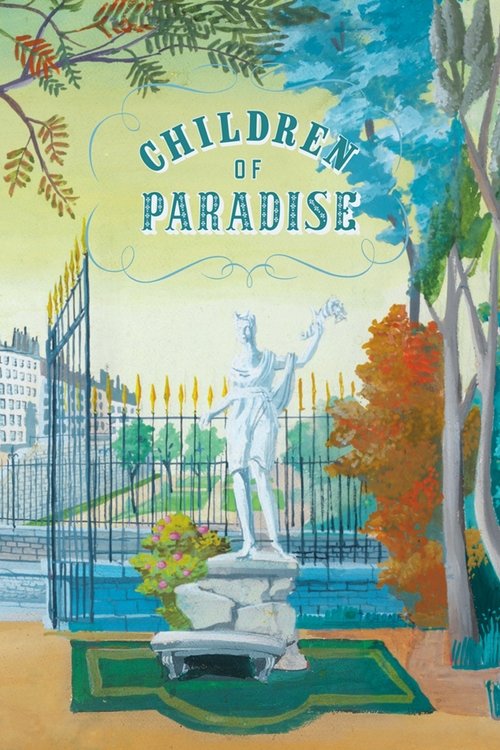
Children of Paradise
1945
No user ratings available yet
Diversity score: 4.7 out of 10
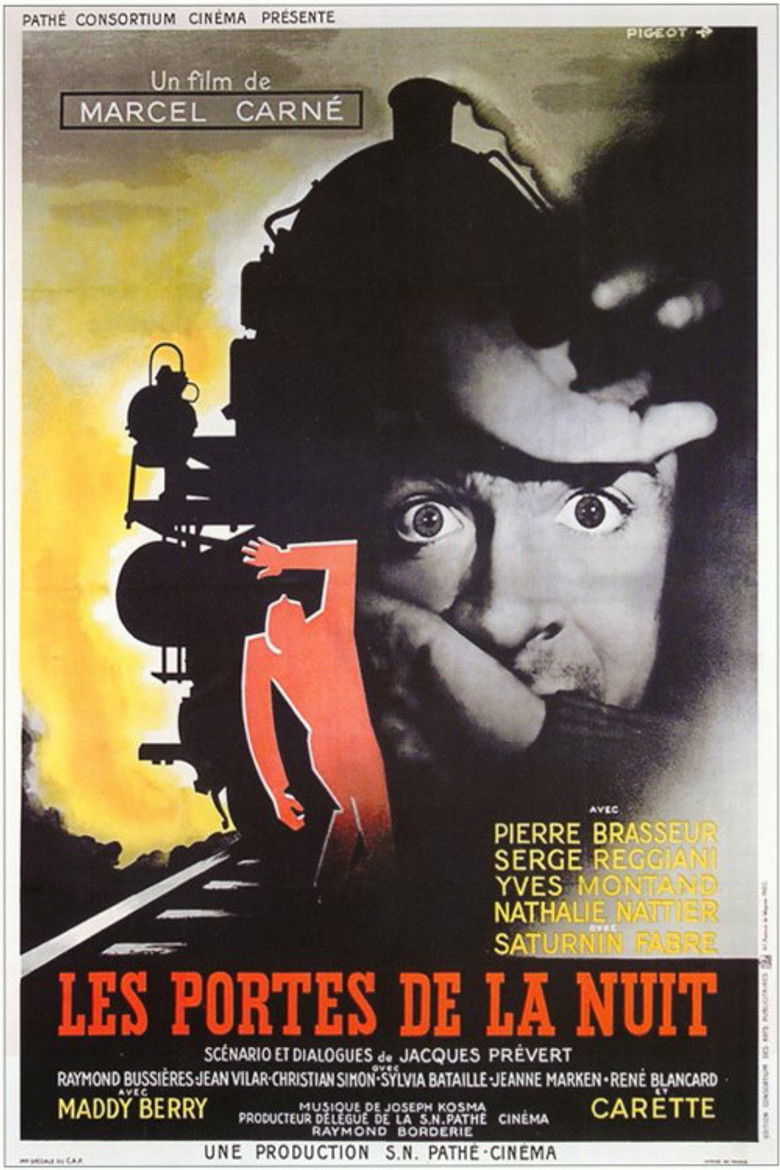
1946
Director
Marcel Carné
Runtime
107 minutes
Average Rating
No ratings yetSynopsis
In post-Liberation Paris, a man reunites with a friend and meets the woman of his dreams, only to discover her brother's dark past.
Overall Score
Limited
Category Breakdown
LGBTQ+ Representation
The film lacks any non-cisnormative gender identities or queer narratives. It adheres strictly to the heteronormative social structures of mid-century France.
Gender Representation
Female characters act as emotional catalysts, but their agency remains tethered to the male protagonist's journey. The film portrays a standard masculine struggle with conscience and destiny.
Racial & Ethnic Diversity
The cast is ethnically homogeneous, reflecting the specific Breton setting of post-Liberation France. It does not incorporate non-white perspectives into its central conflict.
Religious & Cultural Diversity
The narrative is embedded in a fatalistic, Catholic-inflected atmosphere. It leans into traditional European tragic tropes rather than critiquing Western institutions.
Disability Representation
Psychological trauma and guilt are used as tools of poetic fatalism. There is no exploration of neurodivergence or lived experience with physical disability.
Strengths
Areas for Improvement
AI Analysis
Marcel Carné’s work focuses on atmospheric fatalism and individual tragedy rather than social intersectionality. The film functions as a localized character study that reinforces the traditional demographic structures of its era. While the film offers nuanced psychological studies, it does so through a lens of mid-century Poetic Realism. This approach prioritizes mood and destiny over the deconstruction of systemic identity politics. Ultimately, the film lacks representation for LGBTQ+ identities, diverse racial backgrounds, or disability, remaining a product of its specific historical and cultural moment.
1945

1945

1949

1948
1956
1940
1946

1941

1956
1956
1945
1999
No reviews yet. Be the first to share your thoughts on this movie!
Use the rating form above to leave a star rating and optional review.