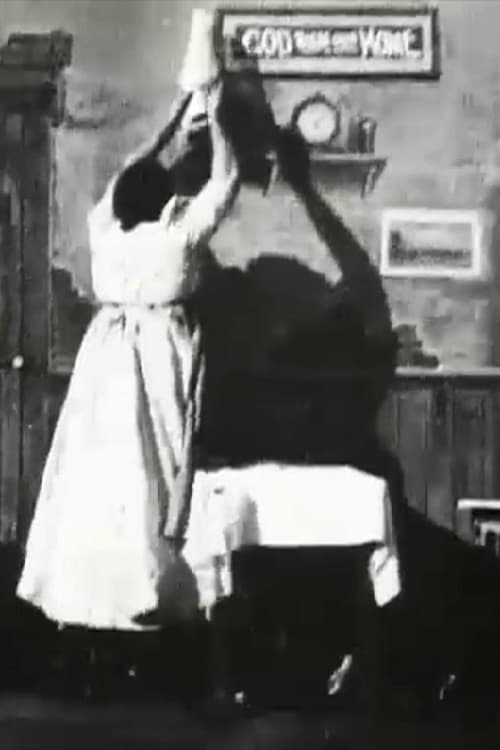
Grandma and the Bad Boys
1900
No user ratings available yet
Representation score: 1.1 out of 10
No Poster Available
Representation Score
Minimal
1900
Director
James H. White
Runtime
1 minutes
Average Rating
No ratings yetNew Showbiz Analysis
This 1900 comedy functions as a period-specific vignette that reinforces traditional social hierarchies. The narrative relies on established clichés of early cinema, focusing on domesticity and marital infidelity rather than complex social commentary. The film's structure is built upon rigid gender roles and a singular moral framework. It lacks the depth required for meaningful characters who reflect more than one aspect of diversity, instead centering on a patriarchal dynamic where male whims drive the plot. Ultimately, the work reflects the technical and social constraints of the Edison era. It prioritizes slapstick situational comedy over any attempt at diverse or inclusive storytelling.
Category Breakdown
The film does not include any characters with non-straight or non-cisgender identities. The story centers around a traditional heterosexual relationship between a husband and a domestic worker.
Female characters are limited to domestic roles such as cooking and being an absent wife. The plot reinforces patriarchal structures through the male protagonist's unruly behavior and physical dominance.
No specific details regarding the racial identities of the cast are provided. The film lacks explicit evidence of a diverse or non-Anglo-Saxon cast.
The story adheres to early 20th-century social norms and domestic propriety. It operates within the established social order without challenging Western institutions or traditional moral frameworks.
There is no indication of characters with visible or invisible disabilities. The characters presented appear to function within a standard physical baseline.
Present on Screen
Limited or Absent
Official Synopsis
This scene opens by showing a pretty cook mixing bread in the kitchen. Jones comes in unexpectedly from a trip and carries a dress suitcase. He inquires for his wife and is told by the cook that she is absent. Jones is hungry and asks for something to eat. The cook is very obliging and Jones becomes unruly, chuckles the cook under the chin. The cook puts her arms around Jones' neck and leaves finger imprints of flour on his back. This is where the trouble commences. (Edison catalogue)
1900
1901
1912
1914
1917
1900

1914

1915
No reviews yet. Be the first to share your thoughts on this movie!
Use the rating form above to leave a star rating and optional review.