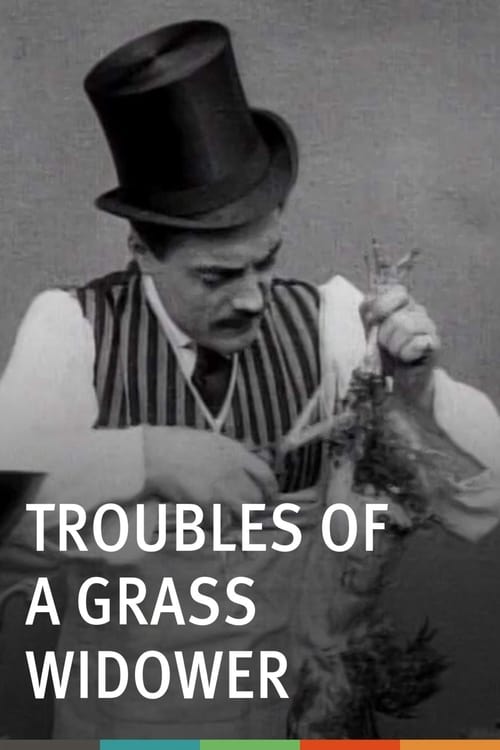
Troubles of a Grass Widower
1908
No user ratings available yet
Representation score: 1.4 out of 10
Representation Score
Minimal
1912
TV-GDirector
Max Linder
Runtime
10 minutes
Average Rating
No ratings yetNew Showbiz Analysis
Max Linder's 1912 short is a classic example of its time, relying on traditional comedic elements and social hierarchies common to the early 20th century. The film does not engage with modern identity issues or systemic power dynamics. Instead, it derives humor from the protagonist's efforts to uphold middle-class domestic standards after a marital dispute. The narrative remains narrow, focusing on a homogeneous, straight-centered domestic sphere.
Category Breakdown
The film focuses solely on a heterosexual marriage dispute. There is no indication of LGBTQ+ identities or queer themes.
The story revolves around a traditional marital conflict. Max's struggles in the home provide comic relief but reinforce conventional gender roles.
The narrative centers on a homogeneous domestic setting. There are no indications of a diverse cast or non-Anglo-Saxon characters.
The plot adheres to early 20th-century Western social norms. Humor arises from the protagonist's failures in maintaining middle-class domestic standards.
No visible or invisible disabilities are shown. The slapstick comedy focuses on situational clumsiness without addressing the experiences of disabled individuals.
Present on Screen
Limited or Absent
Official Synopsis
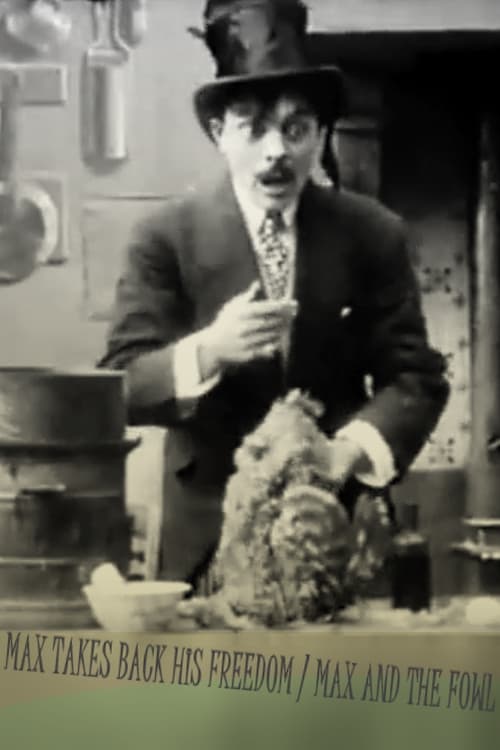
"Max quarrels so with his wife that the lady leaves him. Our hero then attempts to do his own cooking, etc. He buys a fowl, but it proves to be still alive, and after he has chased it with a revolver, partly plucked it, shaved and finally half-roasted it, the bird is still alive and wings its way off. Max next turns his attention to blacking his boots, upsets the liquid blacking, spoons it up, and a minute later is using the same spoon to stir the broth. He writes for his wife to return home, but soon after sending the letter hears he is heir to a large fortune, and lives in the seventh heaven of delight - until his wife returns." (The Bioscope, Feb. 15, 1912)
1908

1917
1914
1913
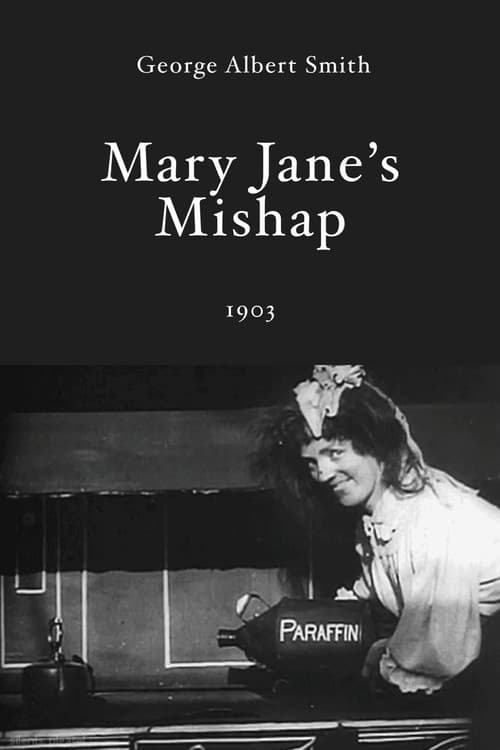
1903
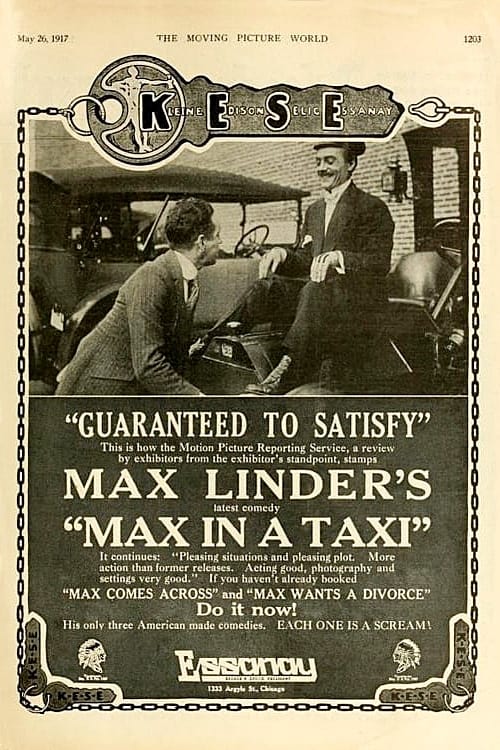
1917
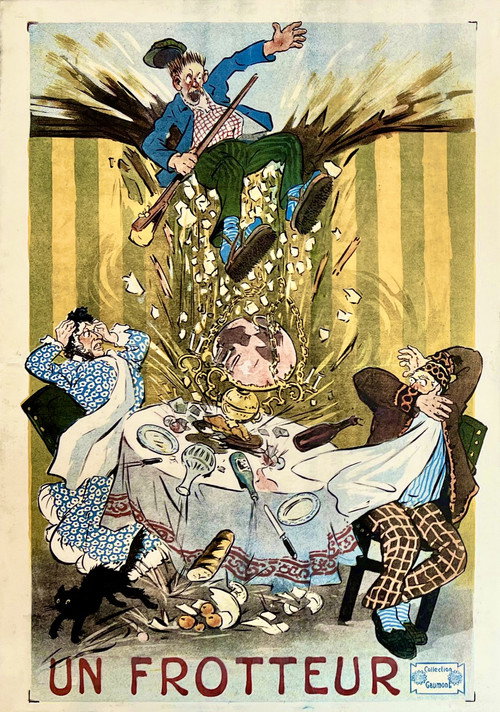
1907
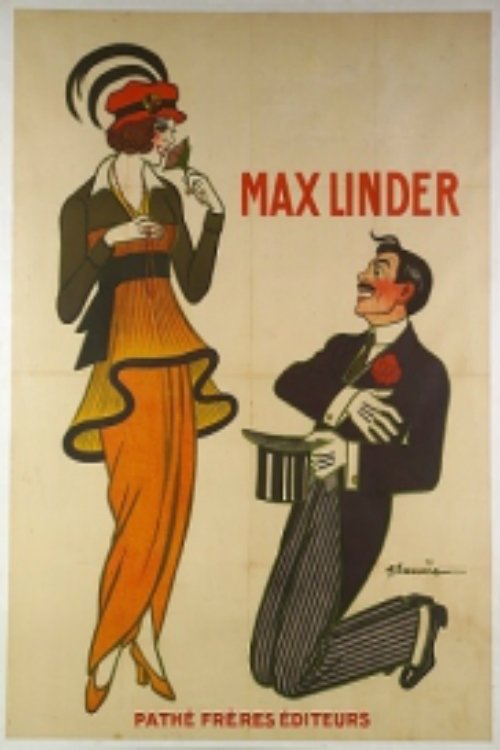
1914
No reviews yet. Be the first to share your thoughts on this movie!
Use the rating form above to leave a star rating and optional review.