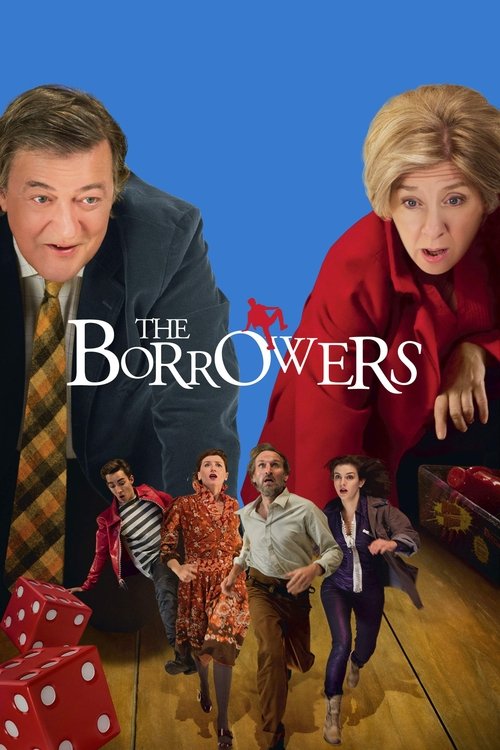
The Borrowers
2011
No user ratings available yet
Representation score: 1.4 out of 10
Representation Score
Minimal
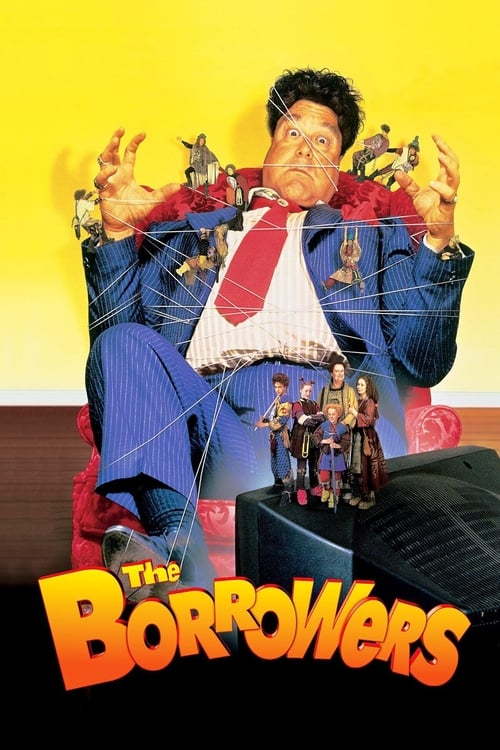
1997
PGDirector
Peter Hewitt
Runtime
87 minutes
Average Rating
No ratings yetNew Showbiz Analysis
The film functions as a conventional family fantasy that relies on established social hierarchies and Eurocentric clichés. It prioritizes traditional storytelling archetypes over diverse representation. Narrative structures reinforce standard domestic roles and homogeneous social units. The conflict centers on property and legal titles, adhering to standard Western frameworks without offering systemic critique. Ultimately, the production lacks representation across most underrepresented identities, focusing instead on a traditionalist approach to the fantasy genre.
Category Breakdown
The film does not include any LGBTQ+ narratives or non-straight identities. Family dynamics are strictly based on traditional heterosexual relationships.
Gender roles adhere to traditional domestic divisions. Pod serves as the external provider, while Homily is focused on the home and emotions.
The cast and setting are primarily white and Eurocentric. The film’s fantasy elements do not address racial or ethnic diversity.
The story follows conventional Western values and legal frameworks. It uses typical coming-of-age clichés without challenging systemic issues.
There are no prominent depictions of visible or invisible disabilities. The main characters and arcs do not include neurodivergent or chronic illness representation.
Present on Screen
Limited or Absent
Official Synopsis
The four-inch-tall Clock family secretly share a house with the normal-sized Lender family, "borrowing" such items as thread, safety pins, batteries and scraps of food. However, their peaceful co-existence is disturbed when evil lawyer Ocious P. Potter steals the will granting title to the house, which he plans to demolish in order to build apartments. The Lenders are forced to move, and the Clocks face the risk of being exposed to the normal-sized world.
2011
1939
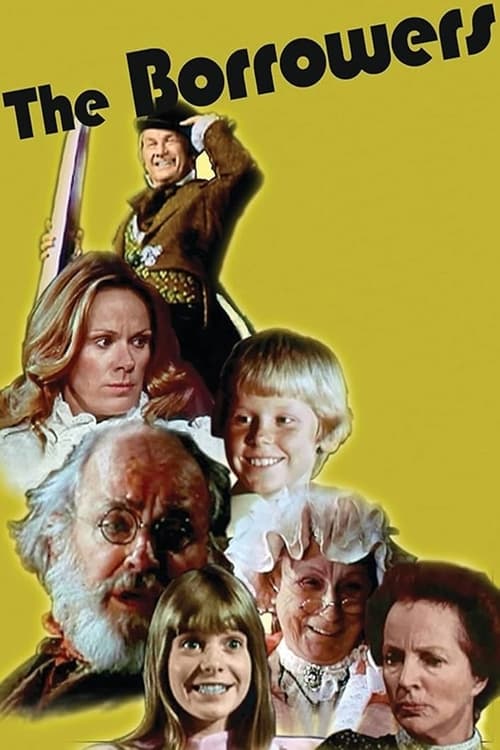
1973
1977

2011
1982

2006
2001
No reviews yet. Be the first to share your thoughts on this movie!
Use the rating form above to leave a star rating and optional review.