Hinterland
2021
No user ratings available yet
Representation score: 5.4 out of 10
Representation Score
Good
2015
Director
Elie Wajeman
Runtime
101 minutes
Average Rating
No ratings yetNew Showbiz Analysis
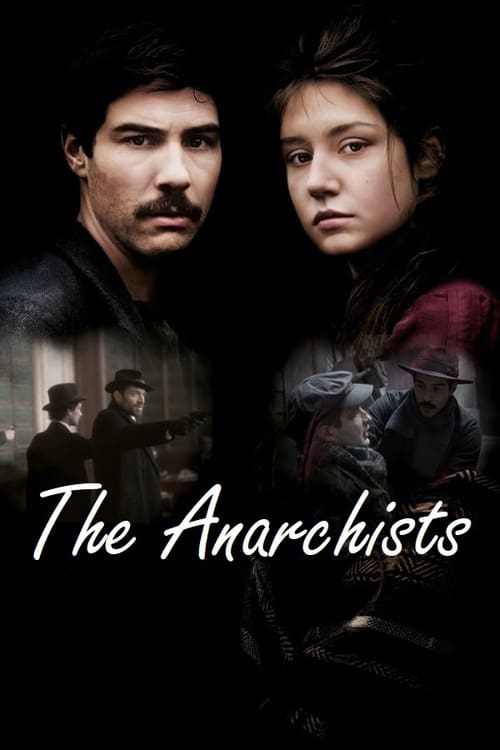
The film serves as a character study of political dissent in late 19th-century Paris. It excels in its thematic exploration of authority and places women at the center of the movement's strategy. However, it adheres to the demographic realities of its time, limiting racial and disability representation. The narrative emphasizes class and institutional conflicts over diverse identity-based stories.
Category Breakdown
The film focuses on interpersonal and ideological conflicts without prominently featuring non-cisgender identities. Intimate connections are explored, but there are no central depictions of LGBTQ+ characters.
Female characters are shown as active participants in debates and strategic planning. They are presented as essential figures in the radical movement, avoiding stereotypes of passivity.
The cast primarily consists of white actors, reflecting the demographics of Paris in 1899. The film stays true to the historical context of the French anarchist movement.
The narrative critiques Western institutions and anti-capitalist sentiments. It portrays radicalism as a response to systemic pressures and strict legal authority.
The film does not feature significant or central representations of physical or cognitive disabilities. The focus is on ideological and psychological conflicts rather than the lived experiences of individuals with disabilities.
Present on Screen
Limited or Absent
Official Synopsis
Set in 1899 Paris, a young police sergeant is chosen to infiltrate a group of anarchists, an opportunity he sees to rise through the ranks. However, he soon finds himself becoming attached to the group.
2021
2018
2007
1971
2019
2010
1988
1998
No reviews yet. Be the first to share your thoughts on this movie!
Use the rating form above to leave a star rating and optional review.