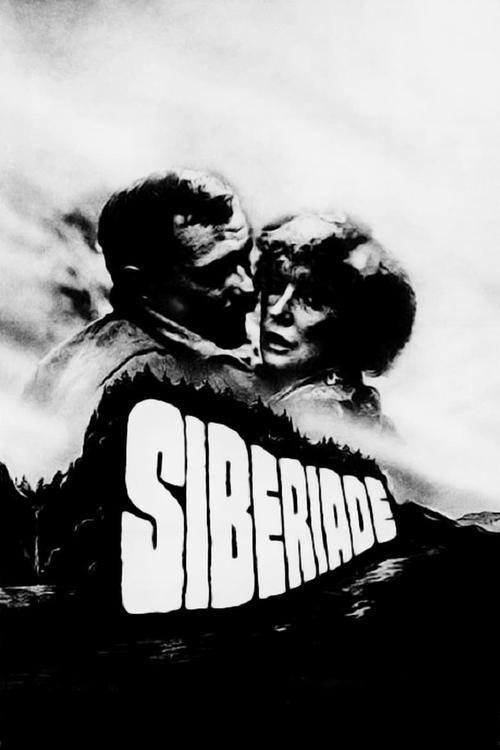
Siberiade
1979
No user ratings available yet
Diversity score: 3.5 out of 10

2003
Director
Peter Watkins
Runtime
345 minutes
Average Rating
No ratings yetSynopsis
We are in the year 1871. A journalist for Versailles Television broadcasts a soothing and official view of events while a Commune television is set up to provide the perspectives of the Paris rebels. On a stage-like set, more than 200 actors interpret characters of the Commune, especially the Popincourt neighborhood in the XIth arrondissement. They voice their thoughts and feelings concerning the social and political reforms.
Overall Score
Fair
Category Breakdown
LGBTQ+ Representation
The film focuses on class struggle and political factionalism. There is no explicit evidence of non-cisnormative identities or queer-coded narratives within the 19th-century Parisian setting.
Gender Representation
Women are central to political organization and physical combat. The film subverts traditional hierarchies by portraying women as active agents with political intellect and physical agency.
Racial & Ethnic Diversity
The cast reflects the demographic realities of the 1871 French proletariat. While not a non-white majority, it avoids homogeneous tropes by focusing on a gritty, multi-faceted working-class collective.
Religious & Cultural Diversity
The narrative critiques Western institutions and bourgeois state structures. It prioritizes secular, revolutionary justice over religious morality, framing communalist ideals against oppressive capitalist forces.
Disability Representation
Characters are defined by political and socioeconomic status rather than physical or mental health. There is no specific focus on neurodivergence or visible disabilities as central arcs.
Strengths
Areas for Improvement
AI Analysis
Peter Watkins utilizes a docudrama style to deconstruct historical narratives, prioritizing the perspectives of revolutionary collectives over state-centric histories. The film excels at subverting traditional power dynamics and gender roles. While the historical setting limits racial and LGBTQ+ visibility, the film avoids common tropes by emphasizing a complex, multi-faceted working-class identity. It successfully challenges the legitimacy of established institutions through a communalist lens. Ultimately, the work functions as a sophisticated critique of authority, empowering the collective through a postmodern narrative architecture.
No reviews yet. Be the first to share your thoughts on this movie!
Use the rating form above to leave a star rating and optional review.