Unknown: Cave of Bones
2023
No user ratings available yet
Representation score: 3.6 out of 10
Representation Score
Limited
2006
PGDirector
Pierre Stine
Runtime
40 minutes
Average Rating
No ratings yetNew Showbiz Analysis
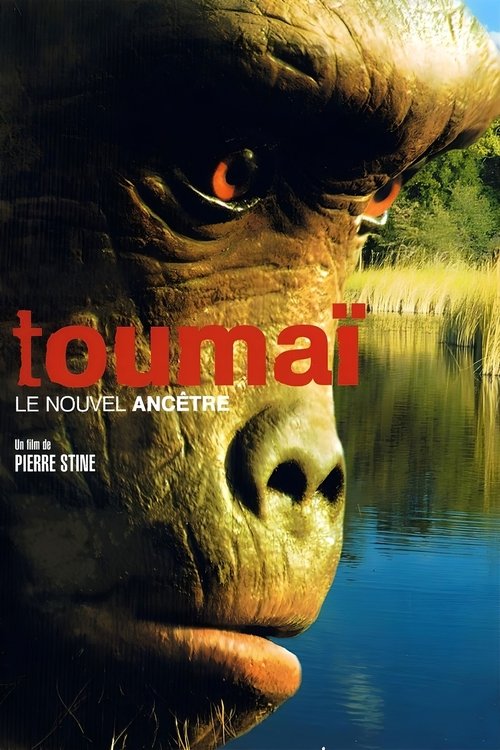
Toumai shifts the anthropological focus away from Eurocentric models towards a more global, African-centered biological history. By highlighting the discovery of the Sahelanthropus tchadensis skull in Chad, the film challenges traditional Western-centric historical frameworks. Since the subject matter is scientific and non-human centered, the film lacks character-driven narratives. This results in a neutral stance on gender and a total absence of LGBTQ+ or disability representation. Overall, the documentary's strength lies in its use of paleoanthropology to deconstruct traditional views of human origins through a secular, empirical lens.
Category Breakdown
The documentary focuses on fossil remains and geological timelines. It lacks the narrative architecture to depict human social interaction or romantic orientation.
The film features no human characters. It avoids reinforcing traditional gender hierarchies by focusing on a biological specimen that predates modern social structures.
The narrative disrupts Western-centric evolutionary timelines by centering human origins in Chad, Africa. This prioritizes a non-Western geographic and biological context.
The film promotes a secular, scientific worldview through empirical evidence. It de-centers Western cultural exceptionalism by focusing on a globalized biological history.
There are no human subjects or characters depicted. Consequently, there is no representation of neurodivergence or physical disability.
Present on Screen
Limited or Absent
Official Synopsis
Buried beneath the sand for seven million years, a skull is unearthed in Chad that may provide evidence of the oldest known human ancestor.
2023

2014

2009

2010

2015
2013
2022
2010
No reviews yet. Be the first to share your thoughts on this movie!
Use the rating form above to leave a star rating and optional review.