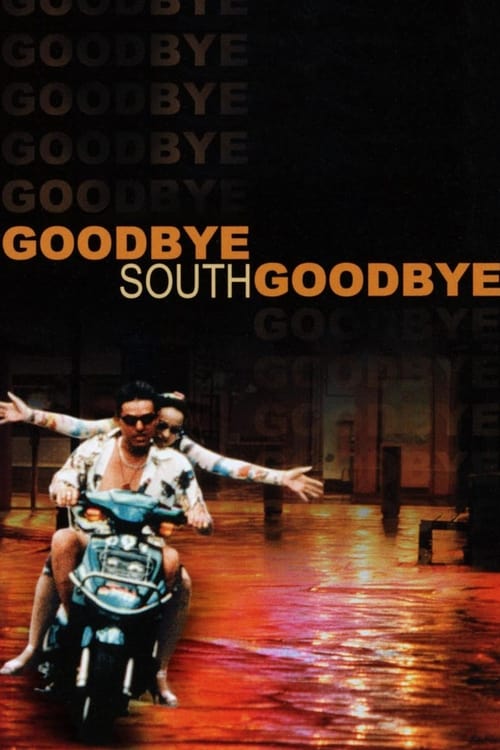
Goodbye South, Goodbye
1996
No user ratings available yet
Representation score: 4.2 out of 10
Representation Score
Fair
1998
Not RatedDirector
Wang Xiaoshuai
Runtime
93 minutes
Average Rating
No ratings yetNew Showbiz Analysis
Wang Xiaoshuai’s work serves as a powerful critique of the human cost of China's rapid economic transition. By focusing on the migrant worker experience, the film explores how systemic shifts erode traditional communal ties and force individuals into survivalist, morally complex lives. The film excels in its sociological depth, using class as a primary lens to examine identity and belonging. While it lacks diverse representation in terms of race or sexual orientation, its engagement with the friction between the individual and the state is profound. Ultimately, the film replaces the typical migration success story with a gritty, realistic look at displacement. It frames economic progress as a disruptive force that leaves the underrepresented in a state of constant physical and psychological precarity.
Category Breakdown
The film focuses entirely on the socioeconomic struggles of migrant workers. It does not feature LGBTQ+ characters or explore non-straight relationships.
Women are shown as active participants in precarious urban environments. They navigate systemic risks alongside men, rather than being limited to traditional domestic roles.
The cast is mainly Han Chinese, reflecting the film's focus on internal migration. It uses the migrant experience to explore the 'othering' of rural populations.
The narrative provides a deep critique of rapid industrialization and economic changes. It highlights the alienation and social fragmentation caused by the pursuit of capital.
No specific characters are defined by visible disabilities. However, the film portrays a pervasive 'social disability' regarding the working class's lack of systemic protections.
Present on Screen
Limited or Absent
Official Synopsis
Two young farm workers, who like millions of others, leave their village to seek their fortunes in the city. Each chose a vastly different path to make it and become embroiled in misunderstandings, gangster brawls and police raids.
1996
1997

1999
1997
1998
2003

1988

2012
No reviews yet. Be the first to share your thoughts on this movie!
Use the rating form above to leave a star rating and optional review.