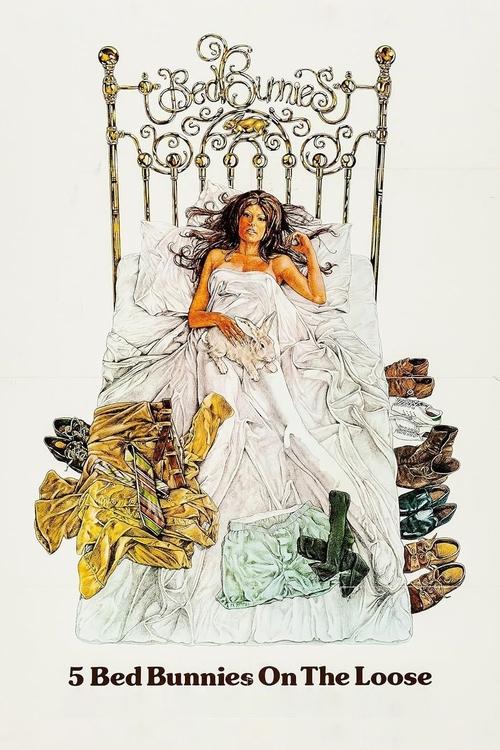
5 Bed Bunnies on the Loose
1972
No user ratings available yet
Representation score: 1.5 out of 10
Representation Score
Fair
1972
Director
Hubert Frank
Runtime
82 minutes
Average Rating
No ratings yetNew Showbiz Analysis
Sex After Six (1972) stands as a transitional work in European comedy, using humor to break down the sanctity of marriage. By focusing on the subjective, irreverent experiences of newlyweds, the film shifts away from traditional, rigid views of marriage. However, while the film addresses changing social norms of the early 1970s and promotes a secular, subjective view of marriage, it does not incorporate diverse identities or explore multi-layered themes. Ultimately, the film captures a moment of sexual liberation and moral relativism but remains limited by the demographic homogeneity and narrow focus typical of its era.
Category Breakdown
The film presents a collection of wedding night stories but does not include any clear examples of non-straight relationships or queer narratives.
The film focuses on the chaotic aftermath of weddings rather than the traditional romanticized wedding narratives. However, it is unclear whether women have significant roles in driving the story or if they are used primarily for comedic purposes.
Given its production in the 1970s, the film likely reflects the predominantly white demographics of European comedy at the time. There is no indication of significant non-white representation or actors playing roles outside their traditional backgrounds.
The film adopts a secular perspective, treating marriage as a platform for irreverent human experiences rather than a sacred institution.
There is no information about characters with physical or cognitive disabilities in the film.
Present on Screen
Limited or Absent
Official Synopsis
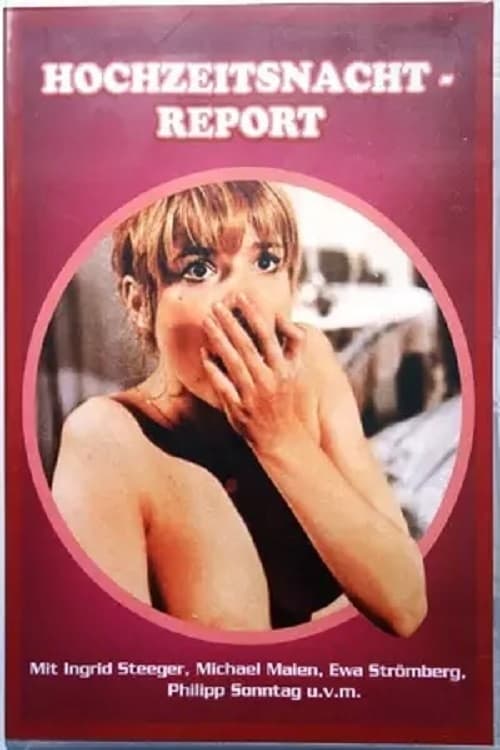
The members of a wedding party play a game whereby each describes the events of their own wedding night.
1972
1969
1967
1986

1973
1972

1975

1984
No reviews yet. Be the first to share your thoughts on this movie!
Use the rating form above to leave a star rating and optional review.