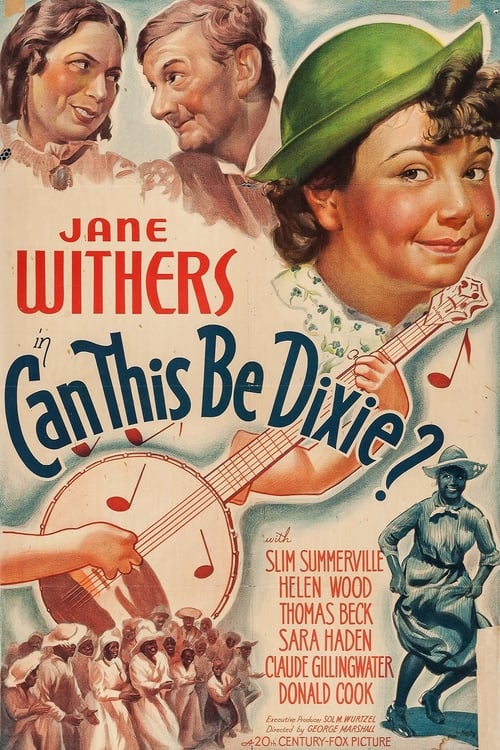
Can This Be Dixie?
1936
No user ratings available yet
Diversity score: 2.3 out of 10
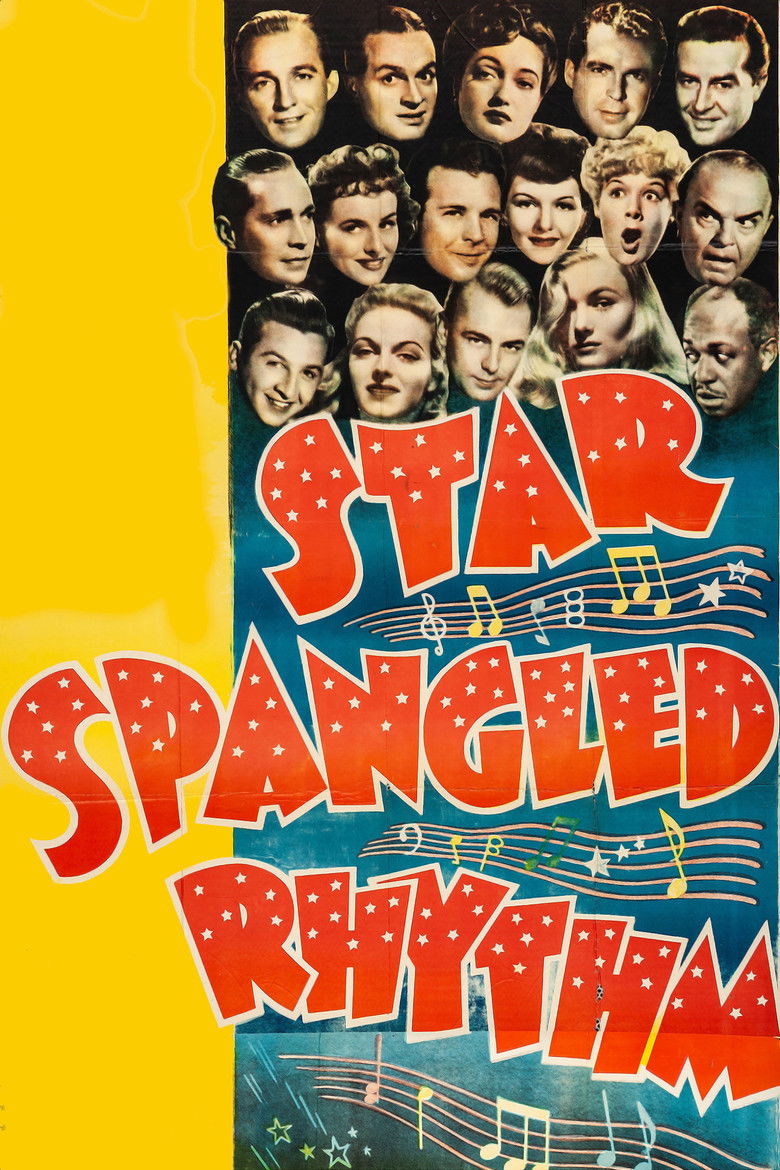
1942
NRDirector
George Marshall
Runtime
99 minutes
Average Rating
No ratings yetSynopsis
Pop, a security guard at Paramount has told his son that he's the head of the studio. When his son arrives in Hollywood on shore leave with his buddies, Pop enlists the aid of the studio's dizzy switchboard operator in pulling off the charade. Things get more complicated when Pop agrees to put together a show for the Navy starring Paramount's top contract players.
Overall Score
Minimal
Category Breakdown
LGBTQ+ Representation
The film contains no discernible depictions of non-heteronormative identities or queer subtext. Character dynamics and romantic undertones adhere strictly to the heteronormative standards of the 1940s.
Gender Representation
Female performers are largely positioned within starlet or songstress archetypes, serving as aesthetic contributors rather than plot drivers. Masculinity is portrayed through duty and service, reinforcing established patriarchal roles.
Racial & Ethnic Diversity
Casting reflects the systemic constraints of the era, showing a notable absence of intersectional depth for non-white performers. The production relies on the demographic homogeneity of the 1940s studio system.
Religious & Cultural Diversity
The film is an explicit expression of Western patriotism and institutional stability. It emphasizes national unity and traditional values without offering critiques of Western institutions or social order.
Disability Representation
There is no significant presence of characters with visible or invisible disabilities. The focus remains entirely on able-bodied musical performers and animated characters.
Strengths
Areas for Improvement
AI Analysis
Star Spangled Rhythm functions as a wartime morale booster, prioritizing nationalistic fervor and cultural continuity over social complexity. It utilizes a variety-show format to reinforce the existing social hierarchies of the early 1940s. The film lacks intentionality regarding intersectional identities, instead opting to bolster institutional stability. It serves as a celebratory medium for the American wartime effort, emphasizing a unified, traditionalist identity. Ultimately, the production operates within a highly traditionalist framework. It reinforces the prevailing social and political structures of the United States rather than challenging them.
1936

1941
1941
1952
1946
1943
1946
1933
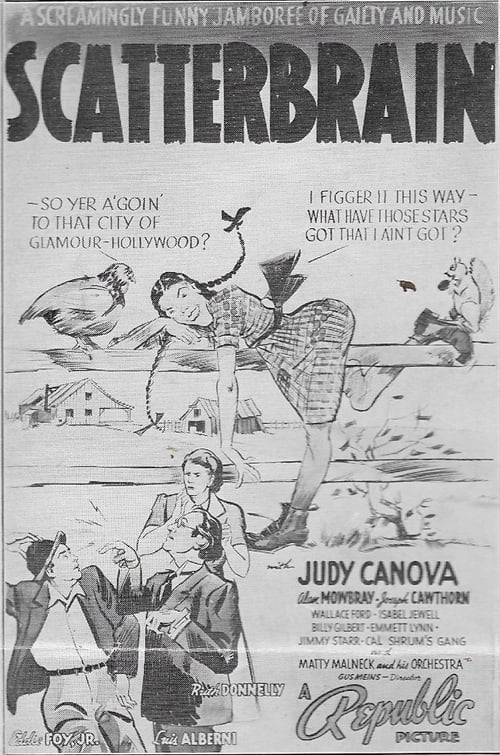
1940
1939
1941
1938
No reviews yet. Be the first to share your thoughts on this movie!
Use the rating form above to leave a star rating and optional review.