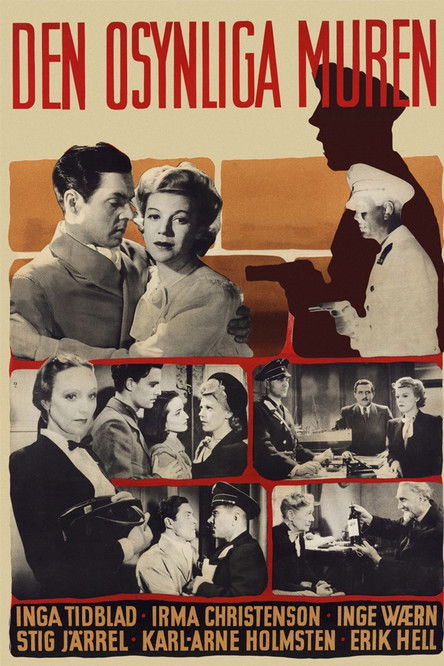
The Invisible Wall
1944
No user ratings available yet
Representation score: 1.9 out of 10

Representation Score
Minimal
1943
ApprovedDirector
Sergei Nolbandov
Runtime
80 minutes
Average Rating
No ratings yetNew Showbiz Analysis
Undercover is a period-specific war drama centered on the volatility of guerrilla resistance in occupied Yugoslavia. While the setting provides a framework for discussing systemic oppression and occupation, the film relies heavily on the conventional storytelling formulas of the 1940s. The narrative prioritizes themes of espionage, survival, and patriotism over progressive social commentary. It functions primarily as a wartime thriller rather than a vehicle for diverse representation. Ultimately, the film reflects the social constraints of its production era, lacking the intentional subversion of traditional hierarchies found in more contemporary works.
Category Breakdown
The film does not include any queer narratives or non-cisgender identities. It follows the straight-centered standards typical of 1943 wartime cinema.
Gender roles likely adhere to traditional 1940s hierarchies. There is no indication of women playing significant roles or disrupting the masculine military structure.
The Yugoslavian setting offers potential for ethnic complexity, yet the film lacks diverse casting. It remains limited by the cinematic standards of its era.
The story critiques Nazi occupation through a patriotic and heroic lens. It focuses on resistance rather than deconstructing Western institutions or moral relativism.
No characters with visible or invisible disabilities are given significant roles. Disability in this era often served as a mere plot device rather than a nuanced identity.
Present on Screen
Limited or Absent
Official Synopsis
Occupied Yugoslavia. With organised resistance shattered by the Nazi onslaught it is only the activity of small guerrilla bands that bring fresh hope to the people. But quislings and infiltrators are everywhere – and trusting the wrong person could easily get you killed...
1944

1945
1964
1959
1947
2016
1950
1959
No reviews yet. Be the first to share your thoughts on this movie!
Use the rating form above to leave a star rating and optional review.