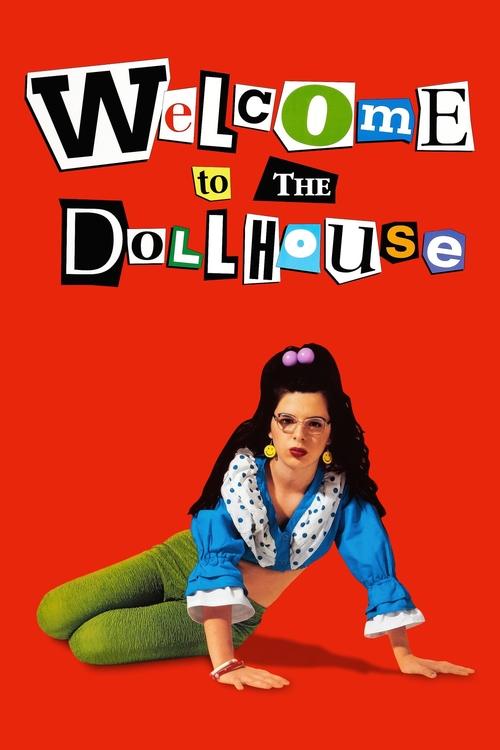
Welcome to the Dollhouse
1996
No user ratings available yet
Representation score: 7.9 out of 10

Representation Score
Good
1998
RDirector
Tamara Jenkins
Runtime
91 minutes
Average Rating
No ratings yetNew Showbiz Analysis
Slums of Beverly Hills is a character study that prioritizes the deconstruction of social and moral norms over explicit demographic representation. It finds its strength in subverting traditional family structures and offering a nuanced view of survival in a capitalist urban landscape. While the film lacks significant LGBTQ+ or racial diversity, it succeeds in validating non-traditional lived experiences. It replaces conventional archetypes with idiosyncratic, neurodivergent-adjacent personalities and a relativistic approach to morality. Ultimately, the film trades broad inclusivity for a deep, localized exploration of class and the 'hustle' required to navigate systemic economic pressures.
Category Breakdown
The film does not center on LGBTQ+ identities. The plot focuses on the neuroses of the central characters' existing social frameworks rather than exploring LGBTQ+ perspectives.
The film disrupts traditional gender hierarchies by portraying unconventional domestic dynamics. The relationship between Richie and his mother subverts the stable provider archetype through a blurred boundary of authority and companionship.
The narrative lacks large-scale minority representation or color-blind casting. It functions as a localized study of class and socioeconomic struggles rather than a canvas for racial the way different parts of someone's identity overlap.
The story uses a postmodern lens to explore moral relativism. Richie's scams are framed as pragmatic survival mechanisms within a capitalist environment rather than traditional villainy.
The film explores neurodivergent-adjacent traits through the family's neuroticism and Richie's social awkwardness. These idiosyncratic behaviors are treated as central to character identity rather than objects of mockery.
Present on Screen
Limited or Absent
Official Synopsis
In 1976, a teenage girl struggles to cope while living with her neurotic lower-middle-class family of nomads on the outskirts of Beverly Hills.
1996
1994

1997

2004

2002

1991

2018

1987
No reviews yet. Be the first to share your thoughts on this movie!
Use the rating form above to leave a star rating and optional review.