Next Friday
2000
No user ratings available yet
Representation score: 2.7 out of 10
Representation Score
Fair
1990
RDirector
Reginald Hudlin
Runtime
104 minutes
Average Rating
No ratings yetNew Showbiz Analysis
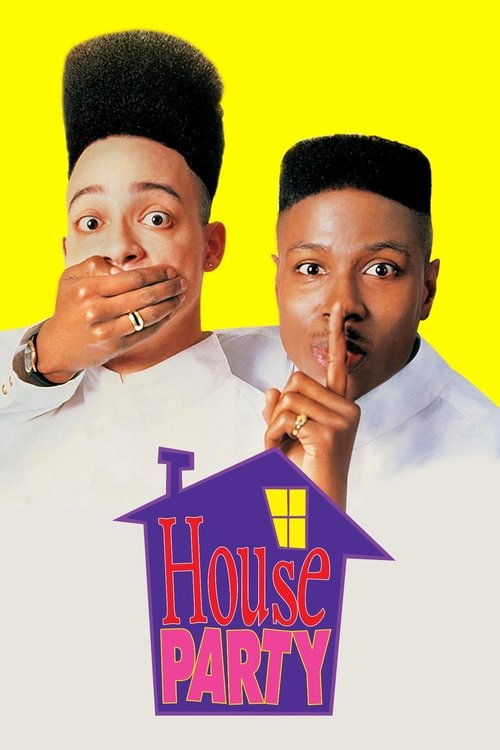
House Party stands as a vital disruption of the 1990s Hollywood comedy landscape. By centering Black youth culture and ability to act, it challenges the era's tendency toward homogeneous white casts in mainstream suburban settings. However, the film remains tied to the social conventions of its time. It adheres to traditional gendered social structures and conventions that assume everyone is straight, limiting its impact regarding gender and LGBTQ+ representation. Ultimately, the film's strength lies in its intentional focus on racial centering, using cultural specificity to drive the narrative.
Category Breakdown
The film follows conventional structures typical of early 1990s teen comedies, with no queer romantic arcs or non-conforming gender identities present.
Female characters exist within the social setting, but the narrative focuses mainly on the male protagonist's pursuits. The film lacks significant subversions of traditional gender hierarchies.
This landmark film features a predominantly Black cast, granting high ability to act to Black protagonists and centering their cultural vernacular and social hierarchies.
The story prioritizes a specific cultural identity over a color-blind Western norm, framing adolescent rebellion and social disruption as natural components of youth liberation.
There is no significant presence of characters with visible or invisible disabilities within the film's character descriptions.
Present on Screen
Limited or Absent
Official Synopsis
Young Kid has been invited to a party at his friend Play's house. But after a fight at school, Kid's father grounds him. None the less, Kid sneaks out when his father falls asleep. But Kid doesn't know that three of the thugs at school have decided to give him a lesson in behavior.
2000

1994
1987

1984

1996
1984
1998

1987
No reviews yet. Be the first to share your thoughts on this movie!
Use the rating form above to leave a star rating and optional review.