Dolemite
1975
No user ratings available yet
Representation score: 3.3 out of 10
Representation Score
Fair
1988
RDirector
Keenen Ivory Wayans
Runtime
88 minutes
Average Rating
No ratings yetNew Showbiz Analysis
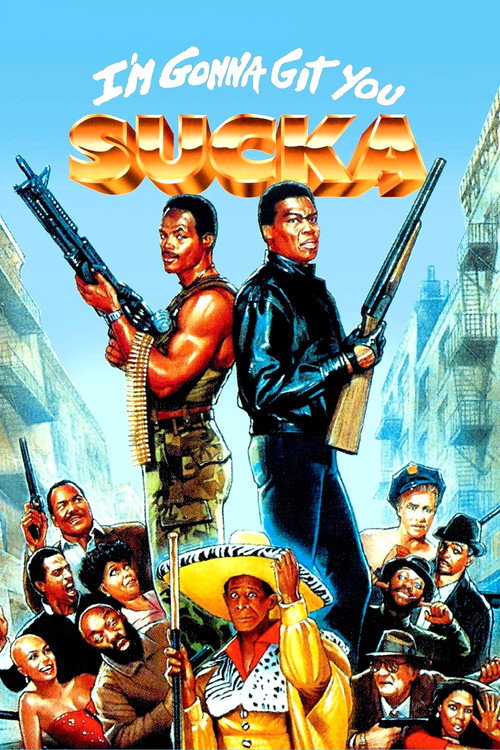
I'm Gonna Git You Sucka stands out as a bold assertion of Black cinematic identity. By featuring a predominantly Black cast to parody Blaxploitation clichés, the film challenges the white-centric heroism prevalent in 1980s action cinema. However, it falls short in representing gender and disability. Female characters are sidelined, and there is no meaningful engagement with disabilities or neurodivergence. Ultimately, the film uses satire to critique institutional authority and traditional Western clichés, yet it remains rooted in the conventional gender and social structures of the time.
Category Breakdown
The film does not include any LGBTQ+ characters or explore non-straight relationships. It stays within traditional comedic structures centered around heterosexual relationships.
The story focuses on a male-led vigilante tale, reinforcing traditional gender roles. Female characters play minor roles and have limited influence compared to the male leads.
The film features a predominantly Black cast that challenges 1980s Hollywood norms by embracing the Blaxploitation style. This diverse ensemble highlights Black culture and talent.
The story uses humor to criticize corrupt authorities and criminal organizations. It portrays rebellion against formal institutions as a key comedic element.
The film does not depict any significant or nuanced portrayal of disabilities, either visible or invisible. Characters with physical or neurodivergent traits are not central to the plot.
Present on Screen
Limited or Absent
Official Synopsis
Jack Spade returns from the army in his old ghetto neighbourhood when his brother, June Bug, dies. Jack declares war on Mr. Big, powerful local crimelord. His army is led by John Slade, his childhood idol who used to fight bad guys in the 70s.
1975
1986
2009

1984

1984

1974

1987
1975
No reviews yet. Be the first to share your thoughts on this movie!
Use the rating form above to leave a star rating and optional review.