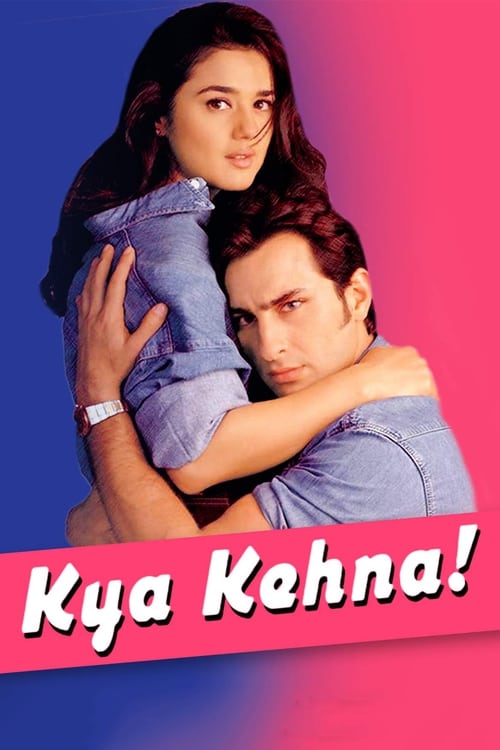
Kya Kehna
2000
No user ratings available yet
Representation score: 5.7 out of 10
Representation Score
Limited
2002
Director
Kundan Shah
Runtime
185 minutes
Average Rating
No ratings yetNew Showbiz Analysis
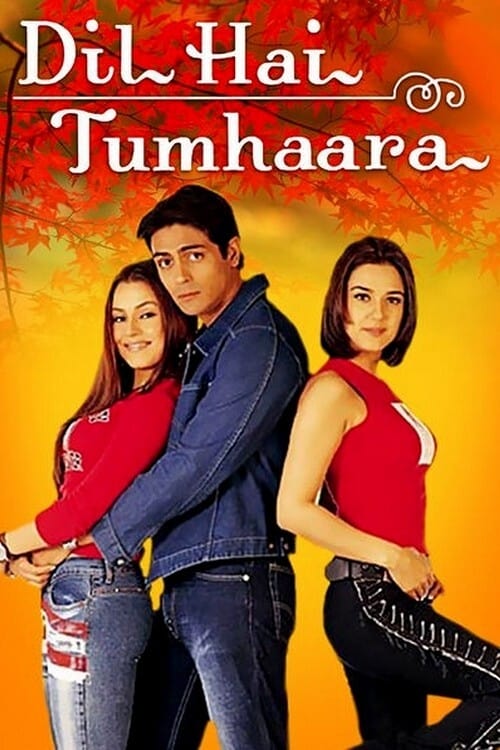
Dil Hai Tumhaara is a character-driven melodrama that emphasizes emotional connection and class struggle. It successfully captures South Asian social dynamics, focusing on local socioeconomic disparities. However, the film adheres to traditional genre conventions. While the female lead plays a significant role in the story, the narrative does not challenge established gender roles or explore diverse identities. Overall, the film centers on personal and familial conflicts arising from class and family secrets, without delving deeply into systemic social issues.
Category Breakdown
The film follows traditional heterosexual relationships and family structures. There are no characters representing non-straight or non-cisgender identities.
Sarita's character showcases strong maternal influence and emotional labor. However, the story sticks to conventional themes of domestic life and romantic love.
The cast primarily features South Asian actors, reflecting specific cultural contexts. The story explores class differences within this community.
The plot revolves around class conflicts between wealthy and lower-income families. The story emphasizes personal morality and family obligations without addressing broader social issues.
There are no characters with visible or hidden disabilities. None of the character arcs are influenced by disability.
Present on Screen
Limited or Absent
Official Synopsis
Hiding her husband's affair from the world after his death, Sarita raises his love child alongside their daughter. When the girls grow up and fall in love with the same man, Sarita is forced to deal with her biases.
2000

2004
1984

1994

2001

2005

1989

1989
No reviews yet. Be the first to share your thoughts on this movie!
Use the rating form above to leave a star rating and optional review.