Torture Chamber
2013
No user ratings available yet
Representation score: 5.1 out of 10
Representation Score
Fair
1983
Director
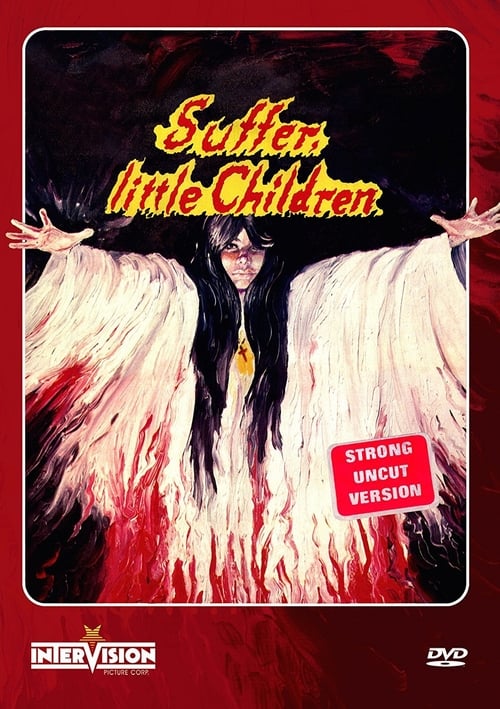
Alan Briggs
Runtime
74 minutes
Average Rating
No ratings yetNew Showbiz Analysis
Suffer, Little Children utilizes a low-budget, student-led production style to center a underrepresented protagonist. By making a mute child the primary source of terror, the film subverts traditional power dynamics and avoids treating disability as a mere object of pity. However, the film remains largely tied to genre conventions. It lacks visible evidence of LGBTQ+ representation or intentional racial diversity, despite its South London origins. The narrative focuses more on supernatural disruption than on multi-layered or systemic social critiques. Ultimately, the work succeeds in repositioning a disabled character as a powerful agent of chaos, even if it fails to address broader identity-based diversity.
Category Breakdown
The film does not include any explicit LGBTQ+ characters or narratives. Instead, it focuses on supernatural horror themes rather than exploring non-straight relationships or identities.
A female protagonist drives the plot with significant supernatural powers. This subverts the typical 'child in peril' cliché by making her the source of terror.
Produced in diverse South London, the film does not provide clear evidence of racial integration. The ethnic composition of the cast remains unverified within the narrative.
The story uses a children's home to explore the disruption of social order. It critiques institutional stability through supernatural chaos but lacks explicit systemic or cultural framing.
The central character is a mute child who drives the plot. This avoids common clichés by giving a character with a communication disability significant power and ability to act.
Present on Screen
Limited or Absent
Official Synopsis
A mute child arrives at a children's home and starts terrorizing the other children with her demonic powers.
2013
1977
1974
1976
1988

1961
2017
1974
No reviews yet. Be the first to share your thoughts on this movie!
Use the rating form above to leave a star rating and optional review.