Disciples of the Crow
1983
No user ratings available yet
Representation score: 3.7 out of 10
Representation Score
Fair
1974
RDirector
Sean MacGregor
Runtime
88 minutes
Average Rating
No ratings yetNew Showbiz Analysis
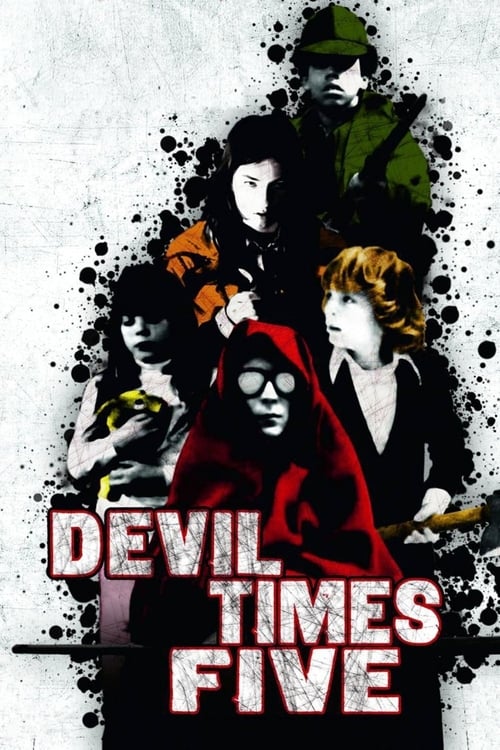
Devil Times Five is a genre piece that prioritizes thematic subversion over demographic breadth. While it fails to provide meaningful representation for LGBTQ+ or diverse racial groups, it uses horror to dismantle social hierarchies. The film finds its strength in its critique of the upper class and the deconstruction of religious and familial sanctity. By turning children into killers, it challenges the traditional Western social order. Ultimately, the film is a study in class conflict and institutional critique, even if its approach to disability and gender remains somewhat tied to 1970s clichés.
Category Breakdown
The film lacks explicit LGBTQ+ characters or non-straight relationships. Conflicts are driven by traditional interpersonal dynamics and the predatory actions of the children.
Sister Hannah provides a moderate subversion of gender roles by acting as an active guide rather than a passive figure. Female characters like Lovely and Julie engage in power struggles and seduction.
The setting and cast reflect a homogeneous social circle of decadent snobs. There is no evidence of racial blending or non-white majority casting within the narrative.
The film critiques capitalism and class structures by targeting a real estate tycoon and the elite. It also disrupts traditional views of innocence by portraying children as sociopathic agents.
Mental health is central to the plot through the escaped psychiatric patients. However, the character Ralph, a mentally disabled servant, may serve more as a plot tool than a fully realized person.
Present on Screen
Limited or Absent
Official Synopsis
Five extremely disturbed, sociopathic children escape from their psychiatric transport and are taken in unwittingly by a group of adult villagers on winter vacation.
1983
1976
1971
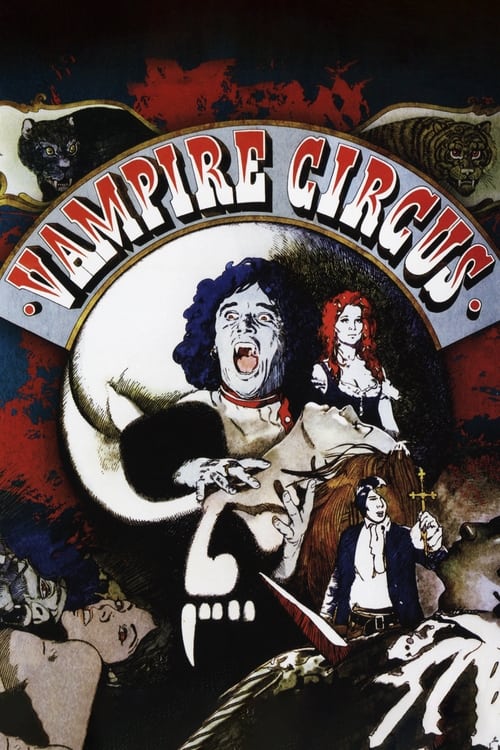
1972
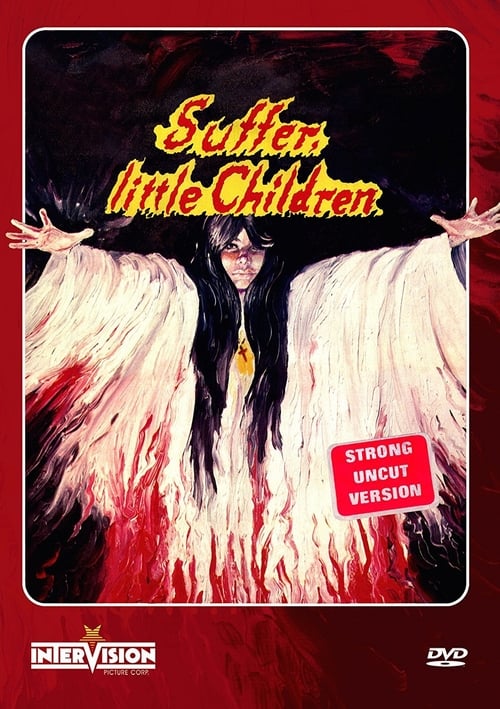
1983
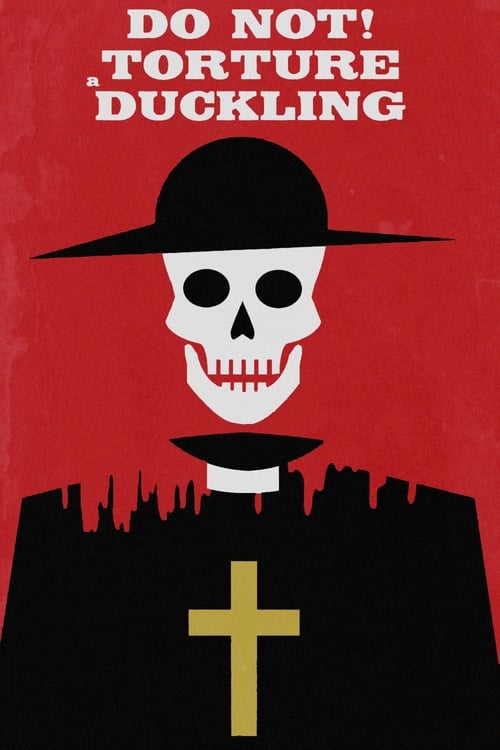
1972
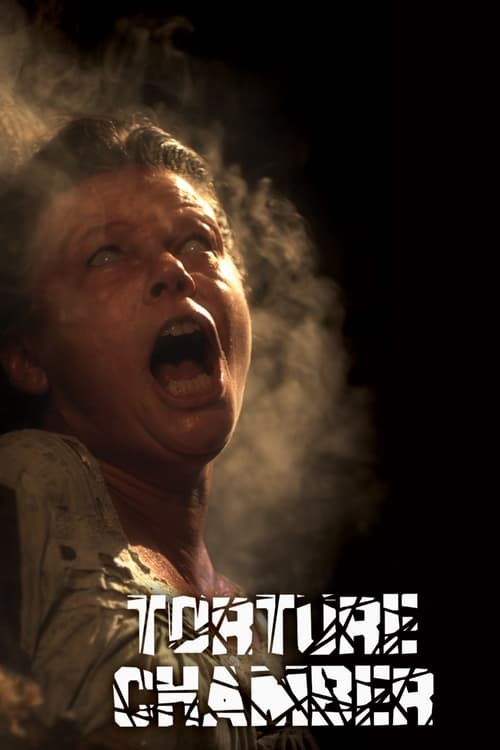
2013
1962
No reviews yet. Be the first to share your thoughts on this movie!
Use the rating form above to leave a star rating and optional review.