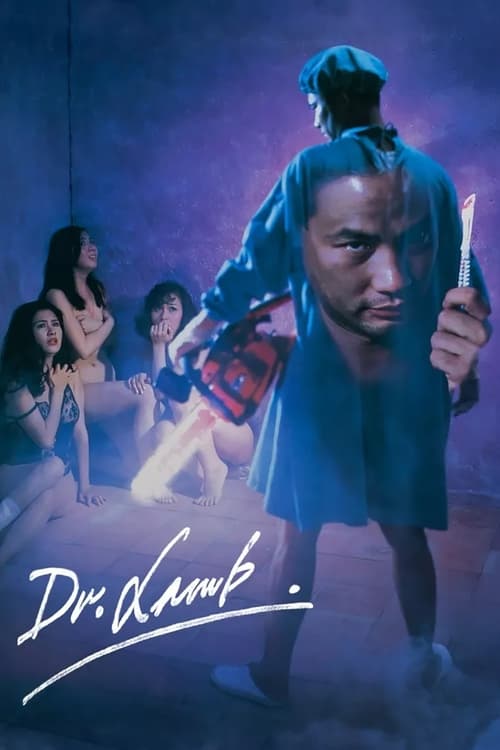
Dr. Lamb
1992
No user ratings available yet
Representation score: 2.3 out of 10
Representation Score
Minimal
1989
RDirector
Peter B. Good
Runtime
84 minutes
Average Rating
No ratings yetNew Showbiz Analysis
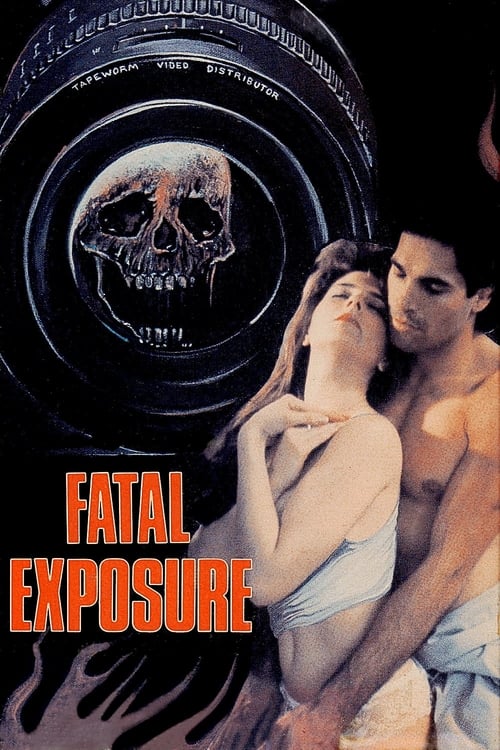
Fatal Exposure operates strictly within the established conventions of late-80s slasher and crime-horror. The narrative is centered around a singular, predatory male figure whose motivations are rooted in traditional, albeit dark, gender hierarchies. The film lacks intentional characters who reflect more than one aspect of diversity, instead reinforcing conventional power dynamics. The central conflict is driven by a narrow focus on lineage and sexual potency, leaving little room for diverse perspectives. Ultimately, the work functions as a standard genre exploration of a villain's descent. It prioritizes individual horror and bloodlust over any meaningful social or cultural commentary.
Category Breakdown
The film focuses on maintaining a family lineage in a way that assumes everyone is straight and cisgender. There are no queer narratives or characters with non-traditional gender identities.
Female characters mainly serve as victims or targets of male violence. Erica plays a significant role, but the plot is driven by the male protagonist's dominance and objectification.
The film follows a homogeneous casting structure typical of 1980s Western horror. There is no indication of a diverse or non-Anglo-Saxon cast.
The story focuses on individual pathology and hereditary bloodlust without addressing systemic or cultural issues. It lacks complexity regarding moral relativism or institutional critique.
The film contains no mention of characters with visible or invisible disabilities. No neurodivergent or physical disability narratives are present.
Present on Screen
Limited or Absent
Official Synopsis
The great grandson of the infamous Jack The Ripper is a photographer who murders women in bizarre ways. He photographs them and drinks their blood in order to increase his sexual potency. One day, he meets the girl of his dreams to carry on the family name, but he uses her to lure in more female models to murder and add to his collection. With the body count rising, Erica is unaware of her new boyfriend's hobby, and soon he starts making mistakes.
1992
1974
1988

1997

2005
1980

1998
1987
No reviews yet. Be the first to share your thoughts on this movie!
Use the rating form above to leave a star rating and optional review.