Fatal Exposure
1989
No user ratings available yet
Representation score: 1.3 out of 10
Representation Score
Limited
1988
RDirector
Shuki Levy
Runtime
90 minutes
Average Rating
No ratings yetNew Showbiz Analysis
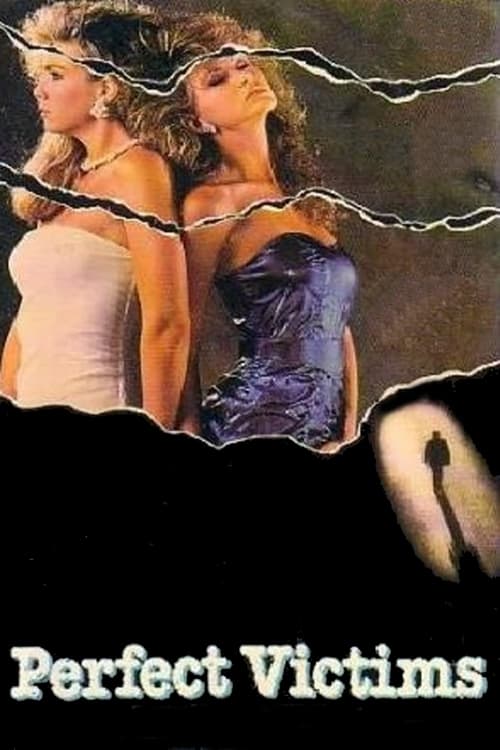
Perfect Victims is a product of late-1980s exploitation cinema that relies heavily on established genre clichés. The film utilizes social crises and gendered vulnerabilities as central plot mechanics rather than exploring them with nuance. The narrative structure reinforces traditional horror hierarchies. Instead of providing meaningful representation, the film uses underrepresented identities and health crises to drive a predatory slasher plot. Ultimately, the work functions as a reflection of the era's moral panics. It prioritizes individual pathology and crime over any systemic critique or multi-layered approach.
Category Breakdown
The film uses the AIDS crisis to create a predatory antagonist. It focuses more on the disease's pathology rather than the lived experiences or roles of LGBTQ+ individuals.
Female characters are primarily targeted by a predatory male figure. They function as passive recipients of violence rather than taking active roles in their survival within the slasher framework.
The narrative lacks evidence of a diverse or non-Anglo-Saxon majority cast. It appears to adhere to the homogeneous casting standards typical of 1980s low-budget crime-horror.
The story engages with 1980s social anxieties regarding the AIDS epidemic through a lens of moral panic. It lacks a critique of systemic failures or sophisticated moral relativism.
A character's chronic illness serves as the primary motivation for the antagonist's violence. This reduces a complex medical reality to a mere tool for horror clichés.
Present on Screen
Limited or Absent
Official Synopsis
A psycho who has contracted AIDS blames women for his disease, and begins to stalk and kill beautiful girls.
1989
1996

1988

1983

1998

1980

1983

1986
No reviews yet. Be the first to share your thoughts on this movie!
Use the rating form above to leave a star rating and optional review.