
Milo
2012
No user ratings available yet
Representation score: 5.9 out of 10
Representation Score
Fair
2005
Director
Dorota Kędzierzawska
Runtime
93 minutes
Average Rating
No ratings yetNew Showbiz Analysis
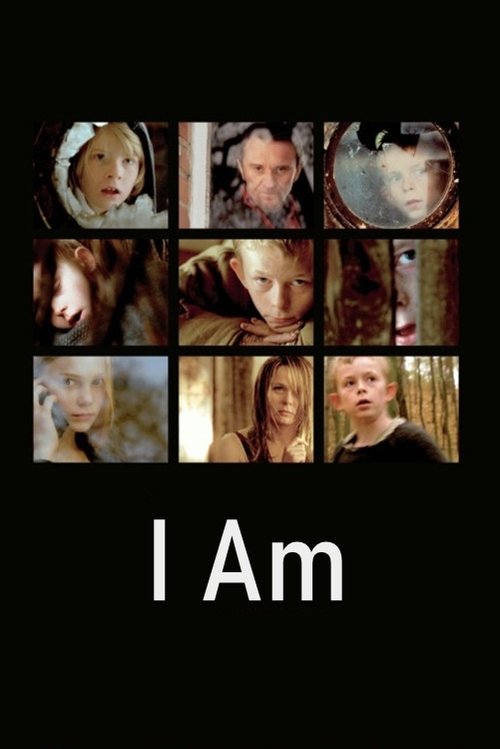
I Am is a character study that emphasizes psychological landscapes over sociopolitical commentary. It successfully challenges institutional authority by portraying orphanages and family structures as oppressive or unreliable. The film highlights the protagonist's individual ability to act and his rejection of systemic neglect. However, the film operates within a very localized and homogeneous cultural context. The lack of racial diversity and the absence of LGBTQ+ representation limit its broader demographic appeal. The narrative is grounded in a specific, realistic European setting that does not seek to include diverse identities. Ultimately, the film is a humanistic exploration of social displacement. It focuses on how an individual navigates being an outcast on their own terms, rather than engaging in explicit identity politics.
Category Breakdown
The film does not include any LGBTQ+ characters or explore non-traditional gender identities. The story focuses solely on the protagonist's journey within a society that assumes everyone is straight and cisgender.
The film centers on a child's perspective, avoiding traditional gender roles. The protagonist's active role offers a subtle contrast to typical passive portrayals of children.
The cast is made up of a homogeneous Polish/Caucasian group, reflecting the film's specific rural European setting. There is no indication of intentional racial diversity or color-blind casting.
The story critiques traditional institutions like the nuclear family and orphanages. It values autonomy and unconventional companionship over established religious or patriotic ideals.
While no specific physical or neurodivergent disabilities are shown, the film explores social and emotional 'otherness.' It portrays the profound experience of being socially excluded.
Present on Screen
Limited or Absent
Official Synopsis
A story of Kundel, a boy searching for his place in life, his identity. After running away from an orphanage where he is treated as an outcast among outcasts by both his peers and the adults in charge, and being rejected a second time by his alcoholic mother, who had earlier abandoned him, the resolute 11-year-old finds a "home" on a deserted old barge on the outskirts of his hometown. He is still an outcast, but he is an outcast on his own terms, rejecting both patronizing charitable gestures and coercion by local thugs. In the process he makes one true friend, a girl from an affluent family who is also an outcast, despite living in material comfort.
2012

2000
2001

2010

2011
1999

2015

2023
No reviews yet. Be the first to share your thoughts on this movie!
Use the rating form above to leave a star rating and optional review.